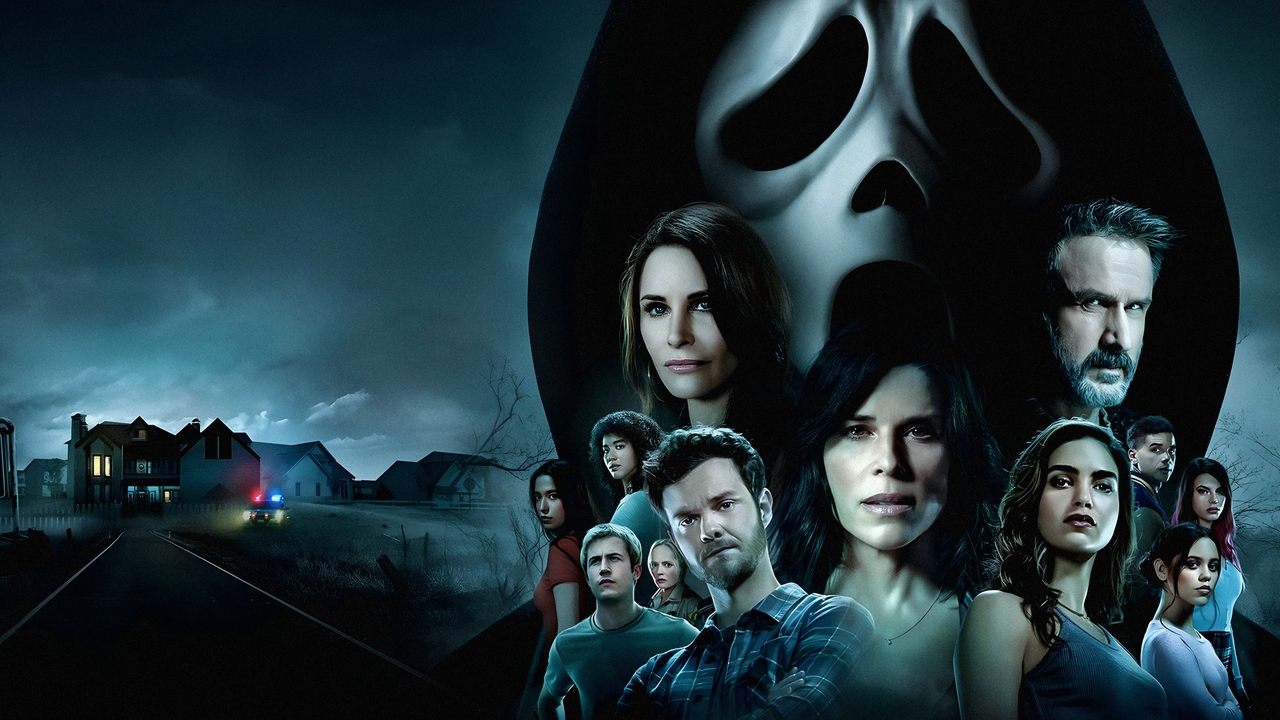

For years, horror fans have treated the 1990s with a certain level of skepticism. Positioned awkwardly between the practical effects-driven gore of the 1980s and the high-concept, digital-heavy productions of the early 2000s, the 90s are often labeled as a decade of transition. Many critics argue the genre lost its way during this period, struggling to find a new identity until Wes Craven’s 1996 masterpiece, Scream, revitalized the box office and changed the rules of the game.
However, a recent retrospective from Bloody Disgusting suggests that we might be judging the decade too harshly. By looking back through a modern lens, it becomes clear that the 1990s were actually a time of fascinating experimentation, giving birth to psychological depths and atmospheric dread that many modern “elevated horror” hits draw inspiration from today. If you only remember the decade for its baggy jeans and grunge music, you’re missing out on some of the most unique scares in cinema history.
The Transitional Terror of the Pre-Scream Era
The early 1990s were marked by an identity crisis. The iconic slashers of the previous decade—Freddy, Jason, and Michael—were suffering from franchise fatigue and dwindling returns. This forced filmmakers to look elsewhere for inspiration, leading to a rise in psychological thrillers and urban legends. According to industry analysis, this era paved the way for a more grounded, often grittier style of filmmaking.
Before Scream introduced meta-commentary to the masses, films like Candyman (1992) and In the Mouth of Madness (1994) were busy deconstructing the nature of fear and belief. These weren’t just “popcorn movies”; they were meditations on societal rot and cosmic insignificance. The overlooked films of this era often traded the high body counts of the 80s for a lingering sense of unease, proving that horror could be sophisticated without losing its edge.
Why Modern Audiences are Rediscovering the 90s
So, why is the tide turning now? The resurgence of interest in 90s horror can be attributed to several factors. First, the 30-year nostalgia cycle is in full swing. The generation that grew up on VHS rentals is now the one producing and consuming horror content, leading to a renewed appreciation for the aesthetic of the time. From the grainy textures of early 90s film stock to the haunting synth-orchestral hybrid scores, there is a tactile quality to these movies that CGI-saturated modern films often lack.
Furthermore, many of these overlooked titles tackled themes that feel incredibly relevant today. Technology anxiety, government distrust, and the collapse of the nuclear family were staples of 90s genre storytelling. While some films may have been dismissed upon release as too bleak or too unconventional, today’s audiences—accustomed to the genre-bending works of A24 and Neon—are much more receptive to the slow-burn pacing and ambiguous endings that defined the decade’s hidden gems.
Building a New 90s Horror Canon
As we move further away from the 20th century, it is essential to look beyond the massive blockbusters to find the heart of the genre. While Scream will always be the crown jewel of 90s horror for its cultural impact and sharp wit, it wasn't the only film pushing boundaries. By exploring the deep cuts of the decade, fans can find everything from intense home invasion thrillers to surrealist nightmares that defy categorization.
Redefining the 90s horror canon isn't about ignoring the flops; it's about acknowledging that the "lull" we once perceived was actually a period of quiet, dark innovation. Whether it's the folk-horror undertones of lesser-known indie projects or the early experiments with found footage, the 90s offered a buffet of terror that we are only just beginning to fully digest. It's time to dust off those old titles and give them the spotlight they were denied thirty years ago.