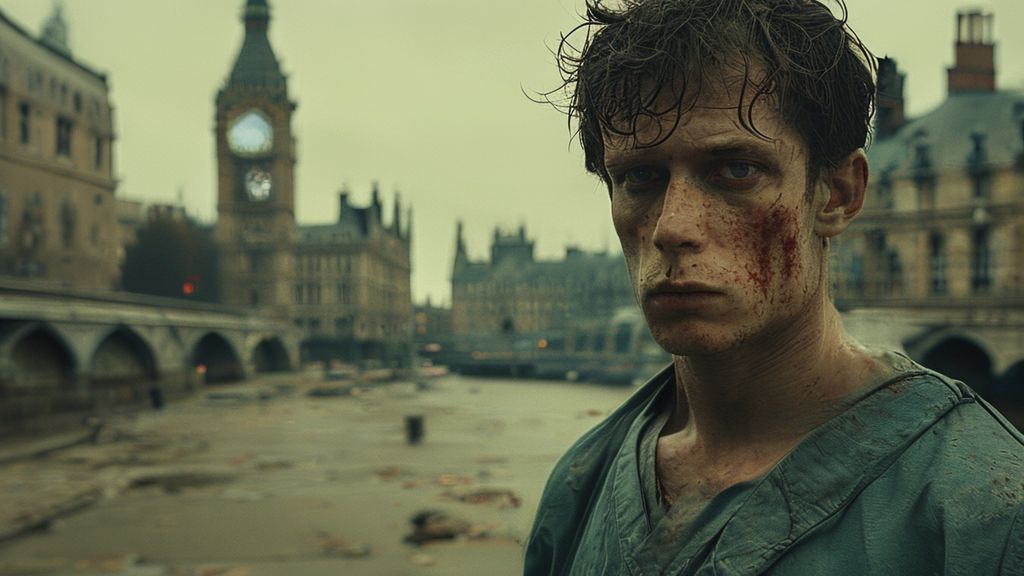

Just spotted over on the digital frontlines of r/horror, a massive debate is brewing regarding one of the most influential zombie films of the 21st century. While we usually view 28 Days Later through the lens of the "humans are the real monsters" trope, a fresh deep-dive from the community suggests we’ve been looking at the wrong infection. According to a developing theory, the film isn't about the cruelty of man, but rather the psychological war between nihilism and hope.
The Nihilism Trap: Beyond the Infection
The post, which has quickly climbed the ranks of the horror community, argues that the Rage virus is merely a physical catalyst for the real antagonist: the loss of a future. In the early acts, we see Jim (Cillian Murphy) searching desperately for his parents, fueled by the hope that something remains. In contrast, Selena (Naomie Harris) represents a cold, pragmatic nihilism. She is prepared to kill her companions the moment they are bitten, viewing survival not as a way to live, but as a way to simply not be dead yet.
"Selena exists as a foil," the report suggests, highlighting her dialogue with Frank and Jim. When the group debates leaving their safe haven, the tension isn't about the infected outside; it's about whether there is any point in trying to find a better world. The theory posits that Jim’s descent into recklessness after finding his parents—who chose suicide over the apocalypse—proves that when hope vanishes, humans begin to mirror the mindless cruelty of the infected themselves.
The Military Conflict: Monsters or Broken Men?
One of the most controversial points in this new analysis involves Major West and his squad of soldiers. Fresh from the rumor mill of fan discourse, the argument is being made that these men aren't your typical post-apocalyptic villains like Negan or the Governor. Instead, they are portrayed as men who have completely succumbed to the belief that the world has ended.
Major West’s horrifying plan to "rebuild civilization" through forced reproduction is framed not as a quest for power, but as a desperate, twisted attempt to manufacture a future where none exists. As the source notes, the soldiers are suicidal and isolated, erosion of their morality being a direct symptom of their belief that they are "waiting to die." This adds a layer of nuance often missed: the soldiers aren't bad because the apocalypse freed them to be; they are bad because they have lost the faith that being human still matters.
The 'HELLO' to a Future
Take this analysis with a grain of salt, but it certainly changes how one views the final act. The sight of the jet overhead serves as the ultimate narrative pivot—it proves that the nihilism of the characters was based on a lie. Civilization hadn't ended; it was just out of sight. The film’s final shot, featuring a giant "HELLO" sign, serves as a testament to the characters' enduring desire to connect, even after experiencing the worst of humanity.
As horror fans revisit the classic film in 2026, this theory reminds us why 28 Days Later remains a cornerstone of the genre. It isn't just about fast-running zombies; it's about the fight to maintain our humanity when the world gives us every reason to let it go. Whether you agree with the Reddit deep-dive or stick to the classic interpretation, it's clear that the discourse surrounding Danny Boyle's work is far from dead.