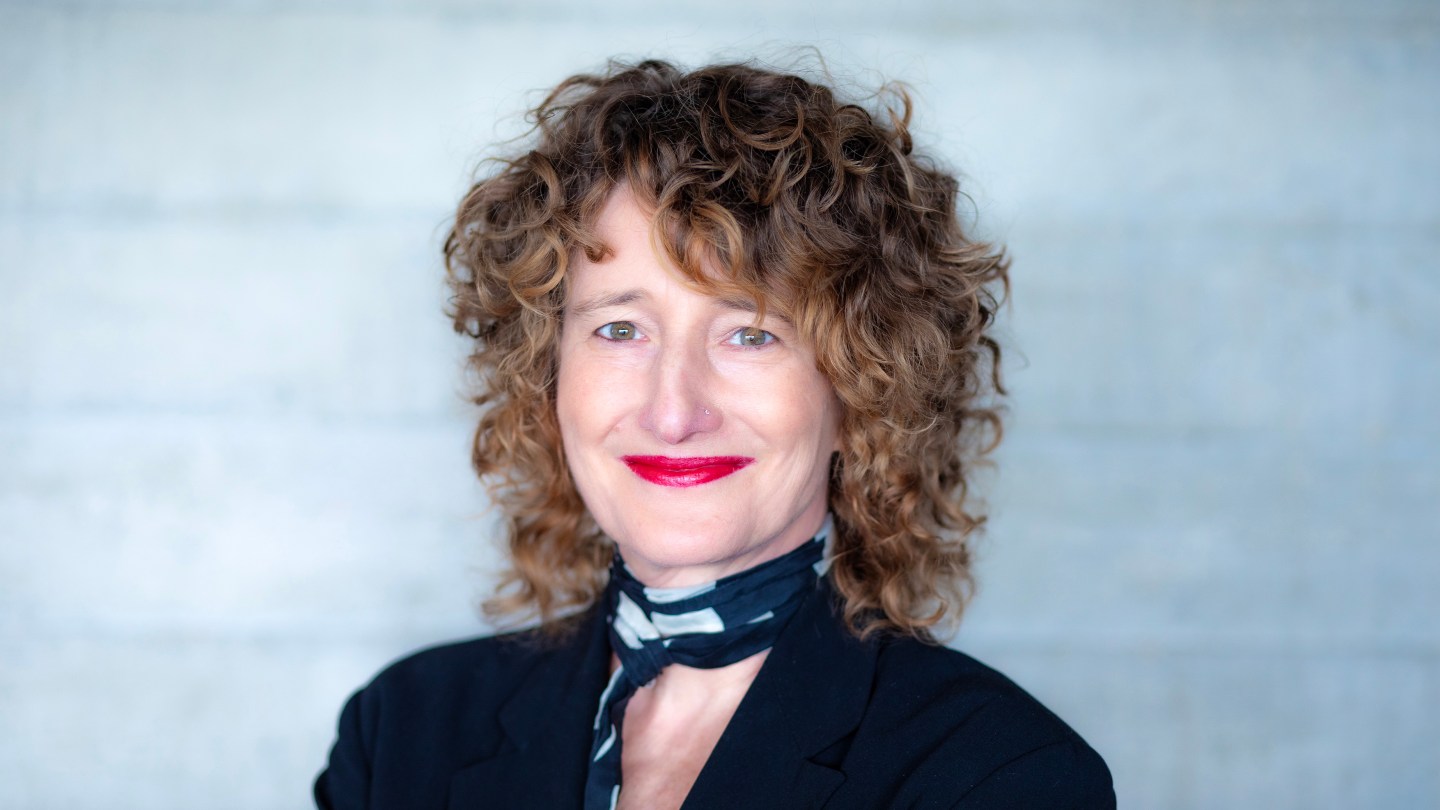

The cinematic landscape is undergoing a massive shift as we head into the 2026 festival season, and the signal coming out of Germany is loud and clear: the major studios are playing it safe. In a recent sit-down with the Hollywood Reporter, Berlinale director Tricia Tuttle shed light on a pervasive sense of 'nervousness' currently gripping the halls of Hollywood’s biggest power players. As the Berlin International Film Festival prepares to unveil its 2026 lineup, it is becoming increasingly obvious that while the titans of the industry are retreating into the safety of sequels and established IPs, independent cinema—specifically the horror genre—is ready to fill the void.
The Great Studio Retreat
According to Tuttle, the hesitation from major studios to bring their high-budget projects to the festival circuit isn't just a trend; it's a symptom of a much larger industry-wide caution. With the shifting fiscal landscape of the film business, many major outfits are choosing to bypass the traditional festival 'risk' in favor of more controlled marketing environments. Tuttle noted that this current atmosphere is defined by a shrinking risk tolerance, where a single bad review at a prestigious festival can derail a hundred-million-dollar project before it even hits the wide market.
For horror fans, this 'nervousness' among the big players usually spells good news. When the giants of the industry hesitate, the festivals become a breeding ground for the strange, the experimental, and the truly terrifying. Berlin has long been a launchpad for films that defy easy categorization, and the 2026 slate looks to be leaning heavily into that reputation. Without the looming shadow of blockbuster corporate mandates, the festival is free to showcase the kind of visceral, boundary-pushing storytelling that keeps the horror genre alive.
Horror as the Heartbeat of Independent Film
Tuttle’s breakdown of the 2026 lineup suggests that independent voices are the ones currently taking the biggest swings. This is particularly true for horror-verified directors who use the genre to explore social anxieties and psychological depths that mainstream features often ignore. In the current industry climate, horror remains one of the few areas where a modest budget can still yield massive cultural impact. The 'nervousness' Tuttle mentions doesn't seem to apply to indie filmmakers who have nothing to lose and everything to gain from a midnight screening in Berlin.
The festival's role is evolving from a mere marketplace into a vital survival hub for original stories. As studios pivot toward guaranteed returns, Berlinale is doubling down on its commitment to discovery. This year’s focus appears to be on international voices and genre-bending narratives that refuse to play by the rules of the traditional box office. For ScreamDesk readers, this means we should keep our eyes on Berlin for the next 'elevated' horror hit that will dominate the conversation for the rest of the year.
Navigating a Shifting Industry Landscape
While the business side of the industry remains unsettled, Tuttle remains optimistic about what Berlin can deliver. The festival isn't just about the glitz of the red carpet; it’s about the health of the craft itself. By providing a platform for indies that have been squeezed out of the studio system, Berlinale is ensuring that the art of cinema doesn't become a monoculture of safe bets and predictable outcomes.
As we look forward to the full lineup reveal, the takeaway is clear: the fear currently felt in studio boardrooms is precisely what is fueling the creativity of the indie scene. Horror has always flourished in the shadows, and if the major studios are too nervous to step into the dark, there is a whole new generation of filmmakers ready to jump in and claim the spotlight. Stay tuned to ScreamDesk as we bring you more updates on the dark gems emerging from the 2026 Berlinale circuit.