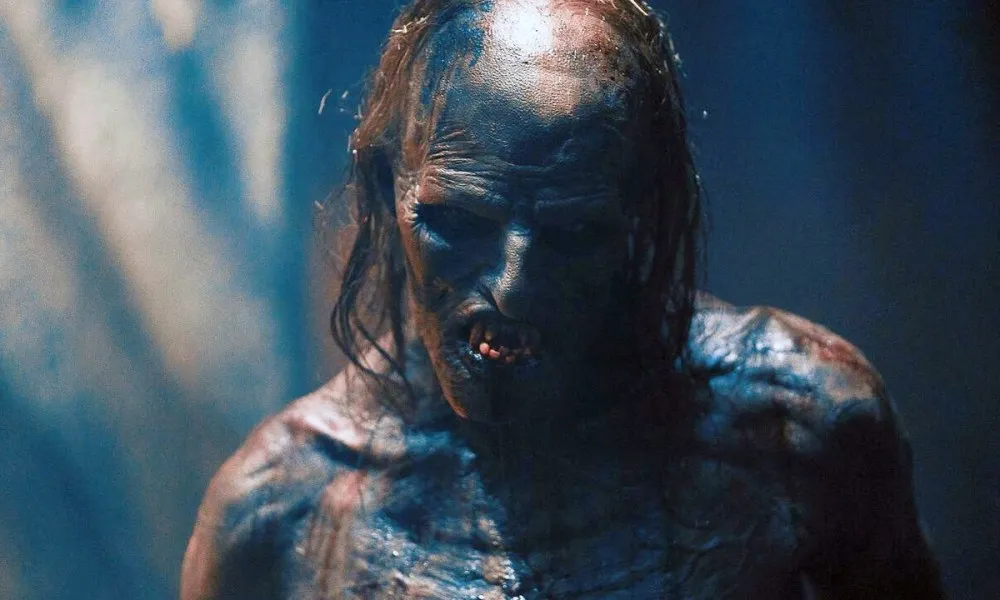

Vampires are, quite literally, the monsters that refuse to stay dead. Just when audiences start to feel a sense of fatigue regarding the bloodsucking trope, a fresh vision arrives to revitalize the genre. In early 2026, that spark has undoubtedly been Night Patrol, a film that has successfully blended urban grit with supernatural dread. However, as any seasoned horror fan knows, the world of the undead is vast and often hides its best treasures in the shadows.
As recently highlighted by the team at Bloody Disgusting, the sheer versatility of the vampire is what keeps them relevant. From the aristocratic counts of the Hammer era to the dusty outlaws of the American West, these creatures can adapt to any setting. They aren't just monsters; they are mirrors of the eras they inhabit. If Night Patrol left you hungry for more specialized takes on the mythos, it is time to look back at the overlooked classics that paved the way.
The Evolution of the Cinematic Bloodsucker
The beauty of the vampire subgenre lies in its elasticity. We have seen vampires in space, vampires in suburban basements, and even vampires working as long-haul truckers. The current fascination with "blue-collar" vampires—creatures that live among us in mundane, high-stakes environments—is a trend that has been simmering for years. This shift away from the Gothic castles of old to the neon-lit streets of the modern day provides a sense of immediacy that Night Patrol captured perfectly.
But why do we keep coming back? It’s because the vampire is the ultimate outsider. Whether they are portrayed as tragic figures seeking redemption or cold-blooded predators, they represent the fear of the unknown and the allure of eternal life. When we look at overlooked films from the last decade, we see filmmakers experimenting with these themes in ways that traditional blockbusters often shy away from.
Hidden Gems Worth Seeking Out
If you have already finished your third rewatch of Night Patrol, there are several deep cuts that deserve your attention. Films like The Transfiguration offer a haunting, grounded look at vampire obsession in an urban setting, while entries like Near Dark (though a cult classic) are frequently missed by younger generations of horror fans looking for that specific "vampires-on-the-road" aesthetic.
The versatility mentioned by industry experts isn't just a buzzword; it’s a creative roadmap. For instance, consider the atmospheric tension of A Girl Walks Home Alone at Night, which reimagines the vampire as a skateboarding vigilante in an Iranian ghost town. Or, look at the brutal, high-concept survivalism of Stake Land. These films prove that you don't need a massive budget to create a lasting impact on the genre—you just need a new perspective on the old rules of the stake and the sun.
Why 'Night Patrol' Is Only the Beginning
The success of Night Patrol in 2026 suggests that audiences are ready for more sophisticated, genre-bending horror. We are moving past the era of sparkly romance and back into the era of the predator. This cultural shift means we are likely to see more directors digging into the archives for inspiration, breathing new life into forgotten tropes.
For the horror community, this is a golden age. The accessibility of streaming allows us to revisit these overlooked titles and appreciate the risks filmmakers took. Whether it’s a noir-inspired detective story featuring a fanged protagonist or a period piece set in the grueling trenches of war, the vampire remains our most adaptable nightmare. So, once the credits roll on the latest hit, don't stop there. The shadows are full of stories waiting to be discovered, provided you're brave enough to look.