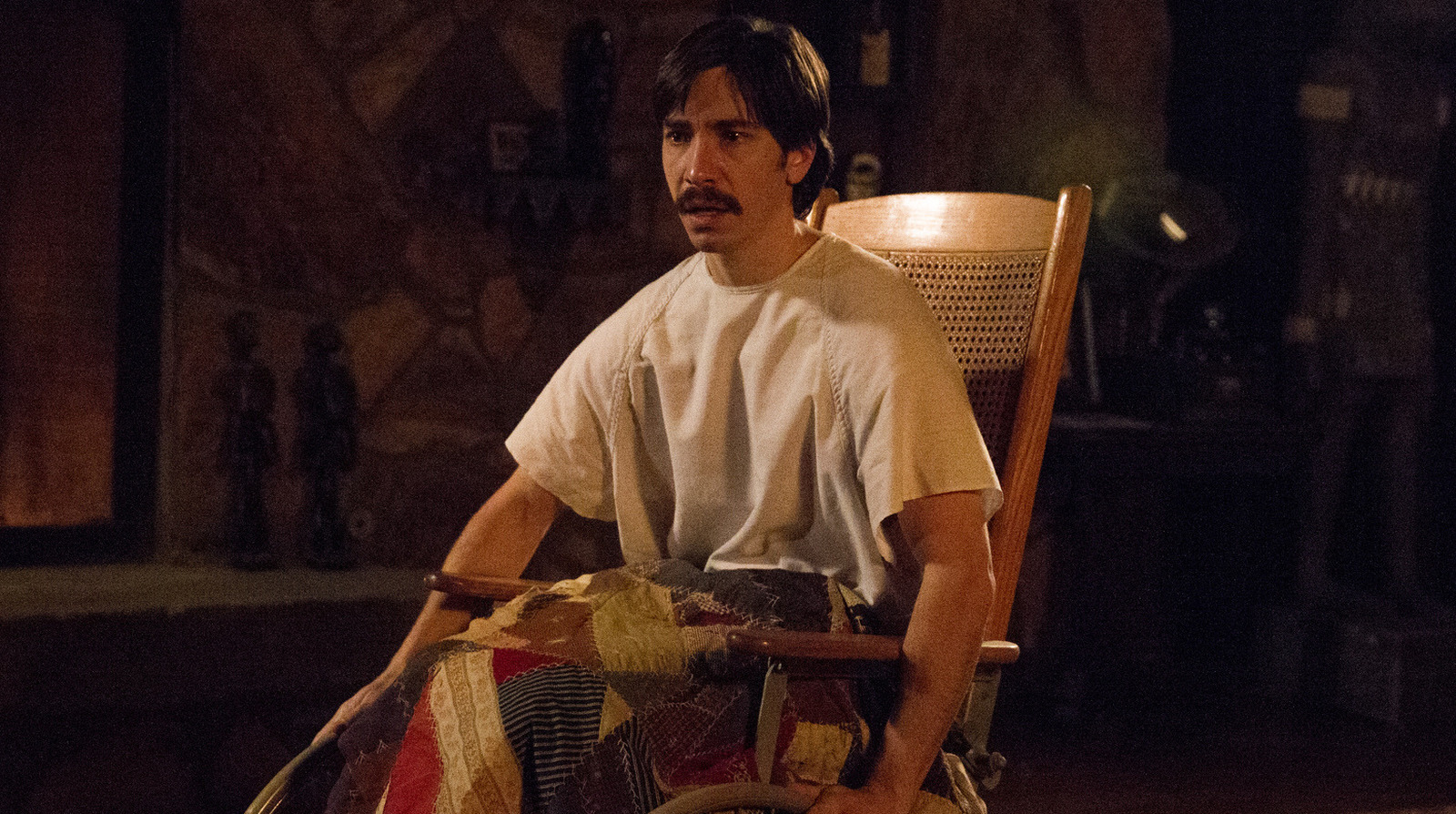

When we think of Kevin Smith, our minds usually drift toward the fast-talking, pop-culture-obsessed clerks of New Jersey or the stoner antics of Jay and Silent Bob. However, back in 2014, Smith took a sharp, jagged turn into the world of high-concept body horror with a film that left audiences either cheering for its audacity or recoiling in genuine disgust. That film was Tusk, and thanks to a new licensing deal, this A24-produced nightmare is currently climbing the charts on Netflix.
From Podcasting to a Living Nightmare
The origins of Tusk are almost as strange as the film itself. The concept was birthed during an episode of Smith’s SModcast, where he and co-host Scott Mosier riffed on a bizarre Gumtree advertisement. The ad featured a homeowner offering free lodging to anyone willing to dress up and act like a walrus. What started as a joke quickly evolved into a creative challenge, with Smith famously asking his Twitter followers to vote #WalrusYes or #WalrusNo. The fans spoke, and one of the most polarizing films of the 21st century was born.
The story follows Wallace Bryton (Justin Long), a cynical and arrogant podcaster who travels to Canada to interview a viral sensation. When that lead falls through, he finds a letter from a mysterious retired seafarer named Howard Howe (played with chilling intensity by the late Michael Parks). Howe promises a lifetime of incredible stories, but Wallace soon discovers that the old man has a far more surgical—and skin-crawling—agenda. He doesn't just want a companion; he wants to recreate a walrus that once saved his life, using Wallace as the raw materials.
The A24 Factor and Body Horror Mastery
It is easy to forget that in 2014, A24 was still establishing itself as the premier brand for "elevated horror." Tusk was one of the early indicators that the studio was willing to take massive risks on auteur-driven projects that other distributors wouldn't touch with a ten-foot pole. While it leans heavily into the "Canadian Gothic" aesthetic, the film’s core is pure body horror. The practical effects, handled by the legendary Robert Kurtzman, are profoundly disturbing. When the "walrus" suit is finally revealed, it’s not just a costume—it is a grotesque tapestry of human suffering that remains etched in the viewer's mind long after the credits roll.
Justin Long delivers what might be the most physically demanding performance of his career. Known at the time for lighter fare, Long fully commits to the degradation of Wallace, moving from a fast-talking jerk to a whimpering, broken creature. Opposite him, Michael Parks provides a masterclass in monologue-driven villainy. His performance elevates the film from a mere "creature feature" into something more philosophical and tragic, even amidst the absurdity.
Why You Should Stream It Tonight (If You Have the Stomach)
So, why is Tusk suddenly finding a second life on Netflix in 2026? Part of it is the sheer curiosity factor. In an era where many horror films feel recycled or overly reliant on jump scares, Tusk stands alone as a truly unique experience. It is a film that refuses to categorize itself—it is at once a comedy, a tragedy, and a gross-out horror flick.
With the recent resurgence of practical effects in horror and the continued dominance of A24 in the cultural zeitgeist, modern audiences are more primed than ever for Smith’s brand of weirdness. Whether you view it as a brilliant satire of the "content creator" lifestyle or a genuine attempt to disturb, there is no denying that Tusk is a film that has to be seen to be believed. Just maybe avoid eating any seafood while you watch it.