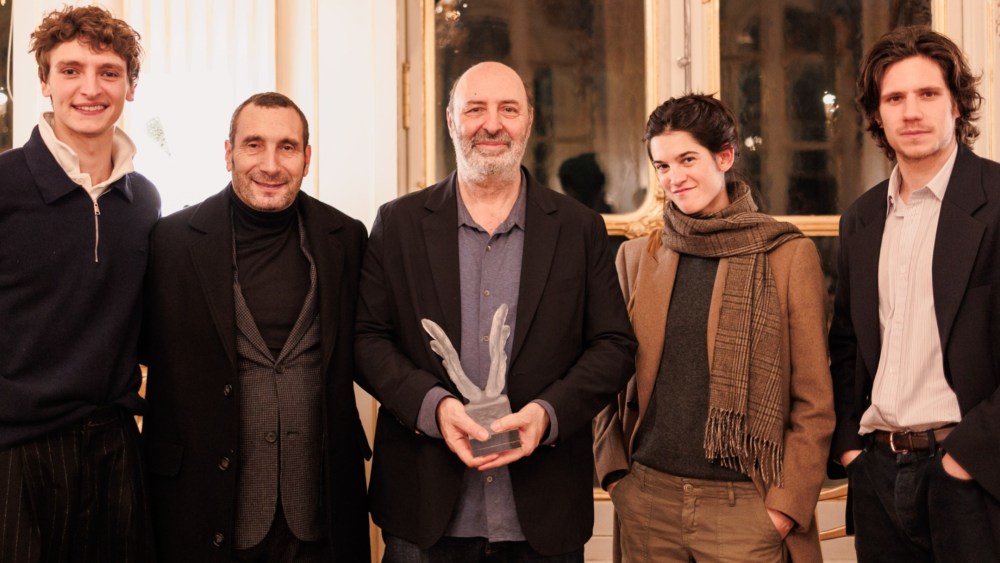

While the name Cédric Klapisch is often synonymous with the vibrant, humanistic energy of contemporary French drama, his recent accolade at the Ministry of Culture has sent ripples through the genre community. On January 15, 2026, Klapisch was surrounded by his inner circle—including long-term screenwriter Santiago Amigorena and actor Zinedine Soualem—to accept the prestigious French Cinema Award. For the editors at ScreamDesk and horror fans worldwide, this isn’t just a victory for a mainstream auteur; it is a moment to reflect on the darkening shadows within the French cinematic landscape.
A Legacy of Urban Anxiety and Psychological Tension
To the uninitiated, Klapisch might seem like an odd fit for horror headlines. However, horror has always been about the subversion of the familiar. Klapisch has spent three decades mastering the art of urban isolation and the claustrophobia of modern living. His ability to capture the frantic, often unsettling pulse of city life is a foundational element in psychological thrillers. As France continues to lead the charge in the 'New Wave of French Horror'—with films like Titane and Vermines redefining the genre—the recognition of a filmmaker like Klapisch by the Ministry of Culture suggests a bridge being built between high-art prestige and the visceral tension that genre fans crave.
The presence of Santiago Amigorena at the ceremony is particularly noteworthy for those tracking the director's evolution. Amigorena’s writing has often toyed with the existential dread and the fragility of the human psyche. In the context of 2026's cinematic trends, where "social horror" and "elevated thrillers" dominate the box office, the partnership between these two suggests a potential pivot into much darker territory. Rumors have long circulated that Klapisch’s next project may lean heavily into the psychological horror subgenre, utilizing his talent for character-driven narratives to explore more macabre themes.
The 'Familial' Ceremony and the Future of French Genre
The ceremony itself was described as "warm and familial," but it also served as a showcase for the creative powerhouse that has supported Klapisch’s vision for over thirty years. Zinedine Soualem, an emblematic figure in French film, has often portrayed characters on the edge of emotional collapse—a staple of the psychological thriller. By honoring this collective, the French Ministry of Culture is indirectly validating the type of meticulous, atmospheric storytelling that provides the backbone for the best horror cinema.
As we look toward the remainder of 2026, the intersection of mainstream prestige and genre storytelling has never been more relevant. Klapisch winning this award isn't just a career retrospective; it’s a signal that the masters of French cinema are being given the creative freedom to experiment. If Klapisch decides to apply his mastery of the 'human condition' to the realm of the supernatural or the psychological, the results could be genuinely terrifying. For ScreamDesk readers, this is a director to watch closely as the boundaries between traditional drama and psychological dread continue to blur.
Why Horror Fans Should Care
Why does a French Cinema Award for a drama director matter to the horror community? Because the most effective horror often comes from those who understand the human heart before they try to stop it. Klapisch’s deep dive into the anxieties of the 21st century provides the perfect blueprint for a new era of French psychological horror. Whether he officially makes the jump into the genre or continues to influence it from the sidelines, his win is a testament to the power of tension-filled, atmospheric filmmaking.