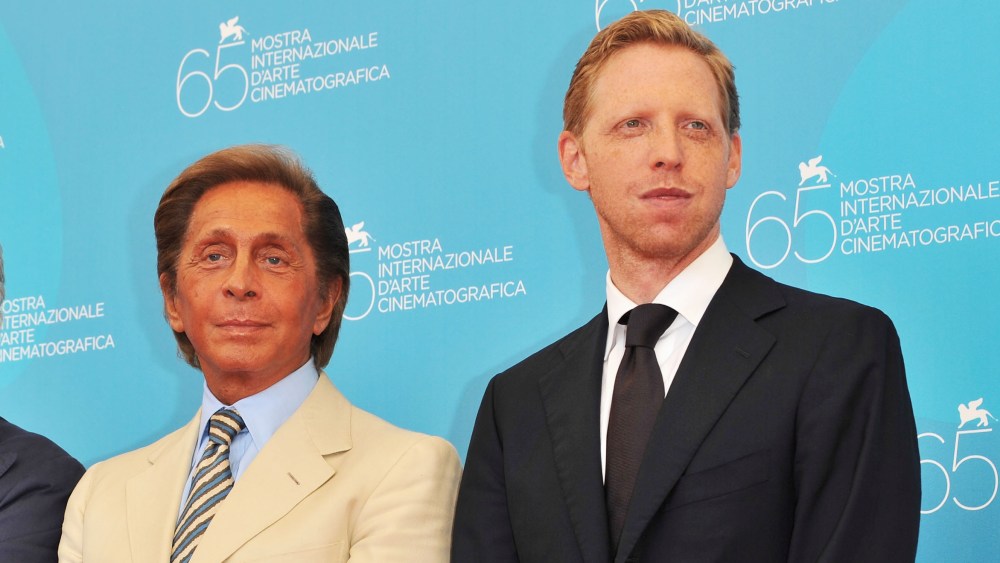

The world of high fashion and the silver screen lost a titan this week. Valentino Garavani, the legendary Italian designer who redefined global elegance, has passed away at the age of 93. While his name is most frequently whispered in the hallowed halls of Parisian ateliers and during the high-stakes glitz of the Academy Awards, his influence reaches far deeper into the cultural psyche than mere silk and sequins. For those of us in the horror community, Valentino wasn’t just a designer; he was the primary architect of a specific, visceral visual language that bridged the gap between high art and the macabre.
According to reports from Variety, Valentino’s death marks the end of an era of "soft power" on the red carpet. He was the man who essentially invented the modern celebrity image, long before the term "image architect" became a coveted job title. But for the horror enthusiast, Valentino’s most enduring legacy is inextricably linked to his signature hue: Valentino Red. It is a color that has bled into the very fabric of the genre, influencing the way we perceive terror, beauty, and the thin line between them.
The Symbolism of Valentino Red in Horror
In the world of horror, color is never just a palette choice—it is a psychological weapon. Valentino spent decades perfecting a shade of red that was so vibrant, so commanding, that it became a brand unto itself. This "Valentino Red" shares a DNA with the hyper-stylized world of Italian Giallo cinema. One cannot look at the lush, crimson-soaked frames of Dario Argento’s Suspiria or the velvet-draped corridors of a Mario Bava film without seeing the echoes of Valentino’s aesthetic.
Valentino understood that red is the color of extremes: it is the color of the heart, of passion, and inevitably, of the lifeblood that spills across the floor in our favorite slashers. By elevating red to the height of luxury, he provided a blueprint for horror filmmakers to use fashion as a tool of subversion. When we see a character in a stunning, crimson gown—think of the modern "elevated horror" movement seen in films like The Neon Demon or Pearl—we are seeing the Valentino influence at work. It is the juxtaposition of immense beauty with impending doom.
The Image Architect and the Modern Final Girl
As Variety noted, the economic and cultural impact of a star’s "look" is now a science. In the modern horror landscape, the "Final Girl" is no longer just a survivor in a torn sweatshirt; she is a fashion icon. The red carpet appearances of genre stars like Anya Taylor-Joy, Mia Goth, and Jenna Ortega are calculated spectacles that owe a debt to the ground broken by Garavani. He taught Hollywood that a dress isn't just a garment—it’s a narrative.
This narrative-driven fashion has become essential for horror branding. When a horror film’s lead walks the red carpet in a look that feels like an extension of the movie’s atmosphere, it builds a bridge between the audience and the nightmare. Valentino’s mastery of the red carpet established the framework for this kind of immersive storytelling. He understood that the image we present to the world can be a mask, a shield, or a warning. In horror, characters often use their appearance to hide their true nature, a theme Valentino played with through his impeccably structured silhouettes that both revealed and concealed the form.
A Legacy of Elegance and Terror
As we reflect on Valentino’s 93 years, it’s clear that his contribution to cinema goes beyond the costumes he directly designed. He changed the way we look at the human form under the spotlight. For the horror genre, which often deals with the desecration of that form, Valentino’s obsession with perfection provided a necessary contrast. You cannot have the grotesque without a standard of beauty to measure it against.
His passing on January 19, 2026, leaves a void in the fashion world, but his ghost will continue to haunt the cinema for decades to come. Every time a director uses a flash of crimson to startle the audience, or a costume designer uses a structured gown to convey a character’s cold authority, the spirit of Valentino Garavani lives on. He taught us that even in the dark, we should always be dressed to kill.