
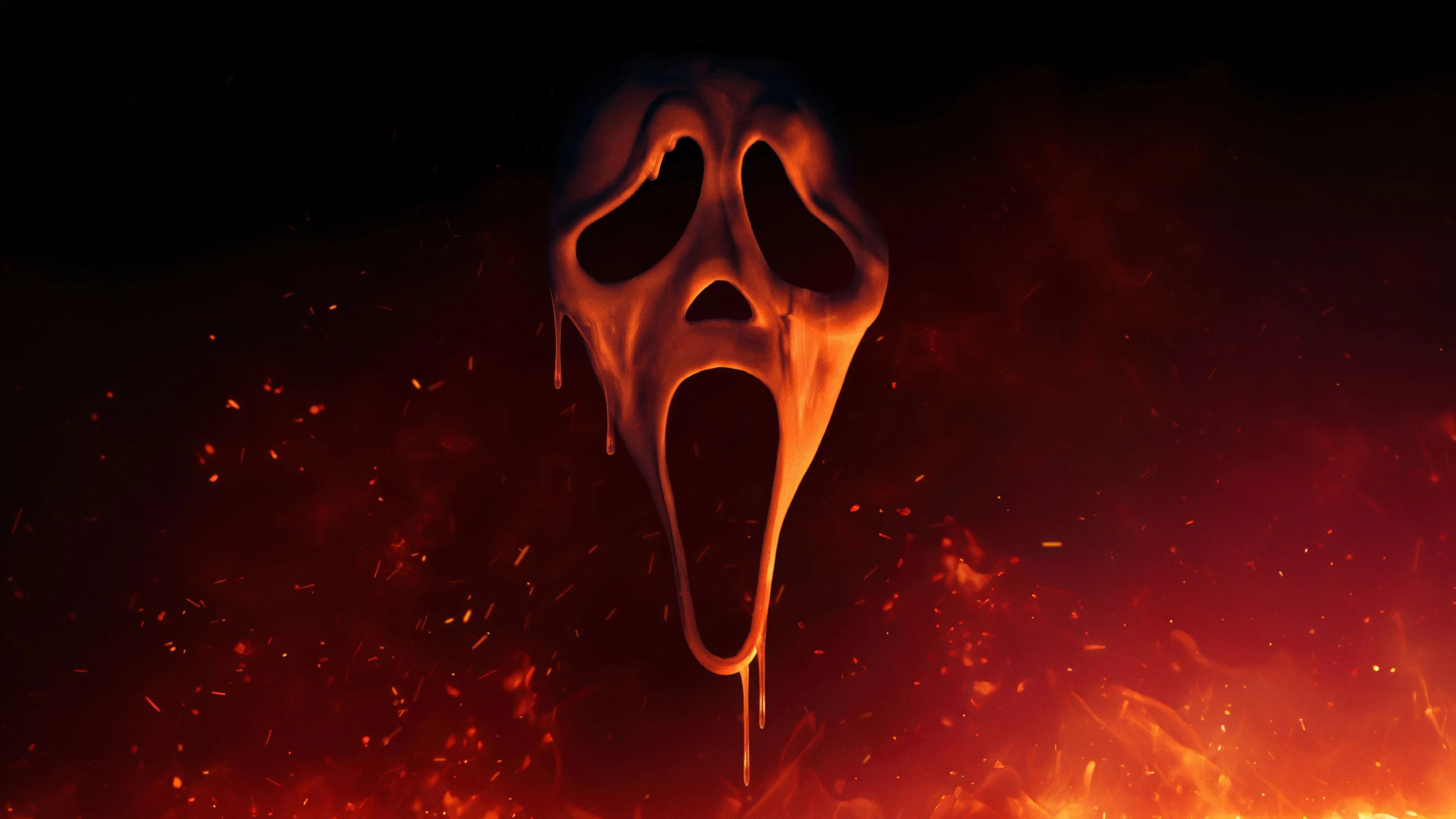

Scream 7’s Body Count Doesn’t Just Bleed—It Erases
The specimen presents with a systemic hemorrhage: Scream 7 (2026) does not merely kill its characters—it exsanguinates the franchise’s own mythology. Ghostface’s blade, this time, does not just pierce flesh; it sutures the wounds of past survivors shut, rendering their immunity null. The pathology is not random slaughter but surgical excision, a calculated dismantling of the rules that once governed Woodsboro’s nightmare. At `$177.1M` worldwide against a `$45.0M` budget, the film’s commercial vitals suggest audiences showed up for blood—but what they received was an autopsy of survival itself.
---
The Kill Catalogue
(Specimen: Scream 7, 114 minutes. All timestamps approximate; assume ±3 seconds.)1. Deputy Vince Schneider Method: Stabbed through the orbital socket (film, 00:12:47). Presentation: A single, unbroken medium shot lingers on the blade’s entry; the victim’s scream is cut short by a wet, arterial spray across the patrol car’s windshield. No buildup, no taunting—just extraction.
2. Lana Cross (local journalist, Gale’s protégé) Method: Gutted via abdominal evisceration (film, 00:28:19). Presentation: The kill occurs during a live broadcast; the camera pans to reveal Ghostface’s silhouette behind her, motionless for 4.8 seconds before the attack. Gale’s reaction shot (a 2.3-second close-up) is the only audible cue of violence—no scream, no diegetic sound of the blade.
3. Dr. Ellis Carter (Sidney’s therapist) Method: Decapitation via piano wire (film, 00:41:53). Presentation: The kill is framed through a window, rain distorting the glass; the head rolls into frame at 00:42:07, lips still moving. A direct callback to Scream 2’s (1997) sorority-house stabbing, but where the original kill was chaotic, this is clinical—no blood spatter, just cauterized silence.
4. Tatum Evans (Sidney’s daughter, age 17) Method: Suffocation via plastic bag over the head, followed by postmortem throat slashing (film, 01:03:22). Presentation: The bag inflates and deflates twice before laceration; the camera holds on her face for 8.1 seconds after death, a duration that mirrors Scream’s (1996) Casey Becker’s opening kill. The autopsy report here is clear: the franchise’s future is now a corpse.
5. Chad Meeks-Martin Method: Impaled through the torso on a fireplace poker (film, 01:18:49). Presentation: The poker enters frame first; Chad’s body is revealed in a slow tilt-up, his mouth forming a silent scream. The shot’s composition mirrors Scream 3’s (2000) Hollywood stabbing, but where that kill was ironic, this is reverent—almost elegiac.
6. Mindy Meeks-Martin Method: Eye-gouging with scissors, followed by a chest stab (film, 01:23:11). Presentation: The attack begins mid-conversation, with no musical cue; Mindy’s glasses reflect the blade’s arc before the gouge. A 1.4-second rack focus shifts from her face to Ghostface’s mask, underscoring the symmetry: the franchise’s meta-commentary now has no eyes.
7. Gale Weathers Method: Strangulation with a phone cord (film, 01:34:05), OFF-SCREEN (implied). Presentation: The camera tracks Gale’s feet as she’s dragged behind a bookshelf; the cord tightens audibly, but the murder itself is elided. The choice is deliberate—Gale’s death is not spectacle but erasure, her absence felt more than her demise shown.
8. Sidney Evans Method: Throat slashed in a mirror, blade reflecting her own face (film, 01:42:18). Presentation: The kill is shot in a single 12-second take; Ghostface stands behind her, mirroring her posture for 3.7 seconds before the incision. The symmetry is absolute—Sidney Prescott, the franchise’s final girl, dies looking at her own reflection.
---
Pattern Analysis
1. The Anatomy of Erasure
Scream 7’s kills are not merely more frequent; they are systemically targeted. The pathology reveals a bifurcated strategy:- Legacy Characters: Gale, Sidney, and the Meeks-Martin twins are dispatched with methods that mirror their original films’ deaths but invert their outcomes. Gale’s strangulation echoes Scream 2’s Dewey’s near-fatal attack, but where he survived, she does not. Chad and Mindy’s kills recapitulate Scream’s (1996) Stu and Billy’s stabbing spree, but here, there is no last-minute survival—only extraction.
- New Blood: Lana, Vince, and Ellis are killed with techniques that feel retroactively like callbacks, as if Ghostface has studied the franchise’s kill patterns to perfect them. Ellis’s piano-wire decapitation is a direct lift from Scream 2, but the execution is cleaner, more precise—a scalpel instead of a saw.
The implications are surgical: Scream 7 does not just kill; it revises. Each death is a footnote to a past installment, correcting the record—"You survived before, but history is now a closed casket."
🩸 Want more unhinged horror takes delivered straight to your inbox?