


The Halloweenies crew is locking the doors of Danvers State Hospital for a deep-dive retrospective on Brad Anderson's 2001 psychological pressure cooker. Twenty-five years later, Session 9 is getting the late-night analysis it deserves, breaking down why this film still sticks to the ribs of genre purists long after the credits roll. This isn't just a podcast episode; it's a post-mortem on a film that defined industrial dread before "elevated horror" became a marketing buzzword.
THE ARCHITECT OF DREAD
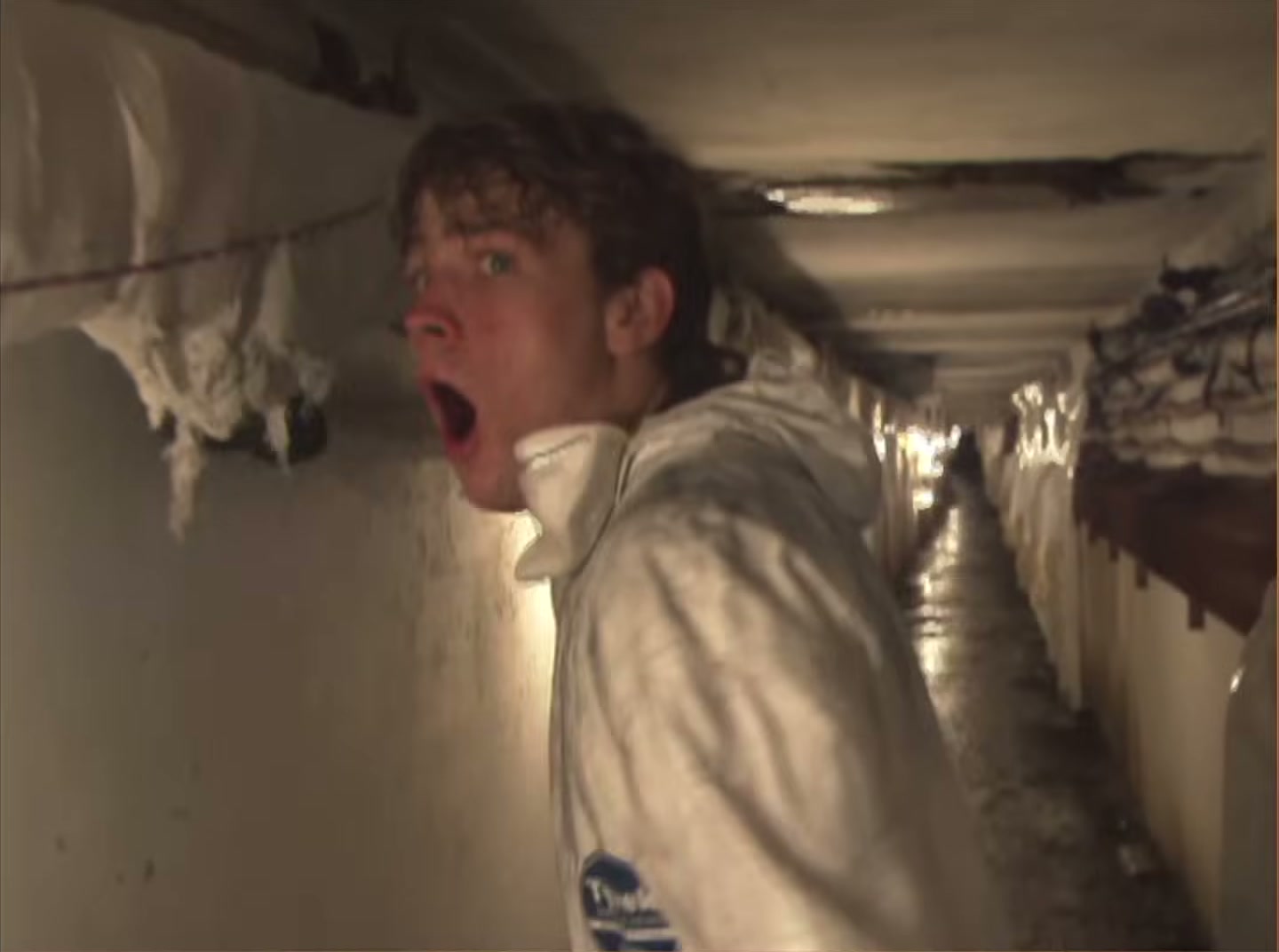
Brad Anderson didn't just direct a movie; he built a labyrinth. Before he was steering Christian Bale through the skeletal nightmare of The Machinist or keeping Halle Berry on the line in The Call, Anderson was crafting a distinct brand of psychological erosion. Session 9 arrived in 2001, a year packed with heavy hitters like A Beautiful Mind, yet Anderson's film carved out a completely different space. It’s a film about the environment itself — the crumbling tunnels of a real asylum — serving as the antagonist. The Halloweenies are right to revisit this now; Anderson's approach to sound design and atmosphere, handled here with a score by Climax Golden Twins, feels like a precursor to the sensory overload tactics used in modern thrillers like his 2019 film Fractured.
BLUE-COLLAR GHOSTS
The genius of Session 9 lies in its casting, which moves miles away from the standard teenage cannon fodder. You have Peter Mullan, a veteran of intense dramas like Braveheart and Harry Potter and the Deathly Hallows: Part 1, playing Gordon, the leader of an asbestos abatement crew. He's joined by David Caruso, fresh from the grit of 80s cinema like First Blood and An Officer and a Gentleman, playing Phil. These aren't kids camping in the woods; they are men with mortgages, tempers, and failing relationships. Even Josh Lucas, who would go on to star in American Psycho and Ford v Ferrari, brings a grounded volatility to Hank. The horror here doesn't come from a monster in the closet, but from the friction between men trapped in a hazardous job.
WHY THE TAPE MATTERS
The central gimmick, the "session 9" tapes recording a patient's multiple personality disorder, could have been a cheap parlor trick. Instead, it becomes the psychological spine of the film. Stephen Gevedon, who co-wrote the screenplay with Anderson and plays Mike on screen, anchors the narrative in these recordings. It’s a structural choice that elevates the material beyond a simple haunted house story. The Halloweenies discussion likely hits on how the film uses the physical deterioration of the hospital to mirror the mental collapse of the crew. It’s a slow burn, clocking in at 100 minutes, that relies on the oppressive weight of the location rather than jump scares.
THE VERDICT
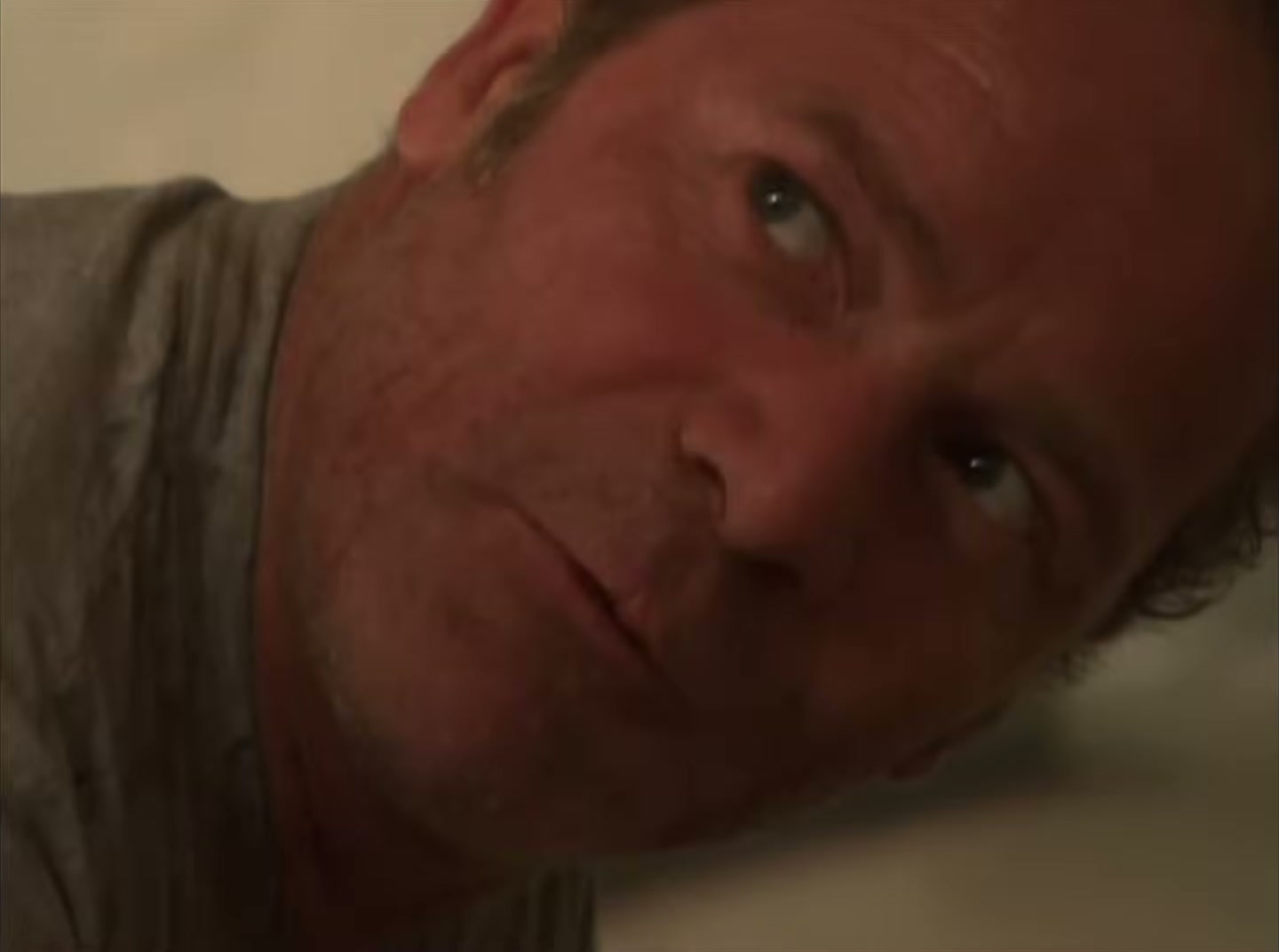
Does Session 9 hold up against the glossy horror of 2026? Absolutely. It offers a grimy, tactile experience that CGI-heavy releases struggle to replicate. The Halloweenies are doing the lord's work by dragging this cult classic back into the spotlight. If you haven't stepped inside Danvers with Gordon and his crew, this podcast breakdown is the perfect excuse to see why "fear is a place" remains one of the genre's most enduring taglines.