CAST & CREW
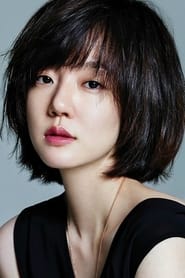 Lim Soo-jung
Su-mi
Lim Soo-jung
Su-mi
 Moon Geun-young
Su-yeon
Moon Geun-young
Su-yeon
 Yum Jung-ah
Eun-joo
Yum Jung-ah
Eun-joo
 Kim Kap-soo
Moo-hyeon
Kim Kap-soo
Moo-hyeon
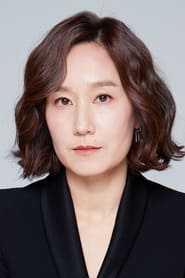 Park Mi-hyeon
Birth Mother
Park Mi-hyeon
Birth Mother
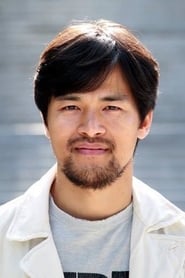 Woo Ki-hong
Sun-kyu
Woo Ki-hong
Sun-kyu
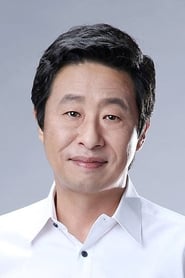 Lee Dae-yeon
Doctor
Lee Dae-yeon
Doctor
DEEP DIVE
TRIVIA
THEORIES
PLOT
- The Korean title Janghwa, Hongryeon ("Rose Flower, Red Lotus") comes from a Joseon-era folktale already filmed in Korea in 1924, 1936, 1956, 1962 and 1972 — Kim Jee-woon's 2003 version is at least the sixth screen adaptation of the same story (Wikipedia, ScreenRant).
- On a $3.7 million budget it became the highest-grossing Korean horror film ever made and the first Korean horror to get a US theatrical run, opening in LA and New York in December 2004 via Tartan's Asia Extreme line; worldwide gross was roughly $1.05 million (Wikipedia, the-numbers, Dazed, scifijapan).
- DreamWorks acquired the remake rights as early as 2003 — before most of the West had seen the film — and the Hollywood version landed in 2009 as The Uninvited, starring Emily Browning and Elizabeth Banks, with the sisters' ages reversed (Wikipedia, ScreenRant, scifijapan).
- Im Soo-jung originally auditioned for the younger sister Su-yeon; Kim wanted Jun Ji-hyun for the lead but she declined because she found the script too scary, so Im was moved up to play Su-mi and carry the film (Wikipedia, ScreenRant).
- A darker alternate ending was shot and cut: Su-mi overdoses on pills to reunite with her dead mother and sister, the camera lingering on an empty bottle and her body — Kim deemed it too depressing and removed it (TV Tropes, ScreenRant, SlashFilm).
- Jordan Peele assigned the film to Lupita Nyong'o and the Us (2019) cast as one of eleven horror movies he required them to watch so the production would share 'a common language' (Dazed, IMDb).
Collector's Corner
🛒 BUY NOW
As an Amazon Associate we earn from qualifying purchases.