CAST & CREW
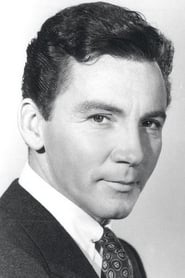 Cameron Mitchell
Massimo Morlacchi
Cameron Mitchell
Massimo Morlacchi
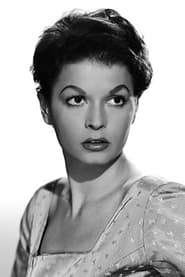 Eva Bartok
Contessa Cristiana Cuomo
Eva Bartok
Contessa Cristiana Cuomo
 Thomas Reiner
Inspector Silvestri
Thomas Reiner
Inspector Silvestri
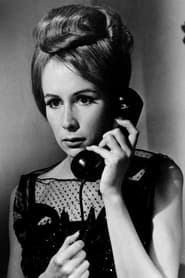 Ariana Gorini
Nicole
Ariana Gorini
Nicole
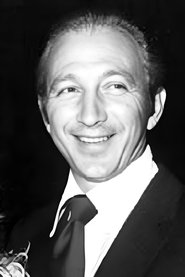 Dante DiPaolo
Franco Scalo
Dante DiPaolo
Franco Scalo
 Mary Arden
Peggy Peyton
Mary Arden
Peggy Peyton
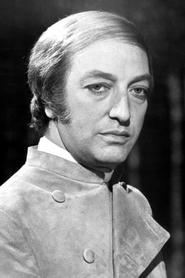 Franco Ressel
Marchese Riccardo Morelli
Franco Ressel
Marchese Riccardo Morelli
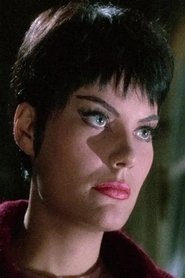 Claude Dantes
Tao-Li
Claude Dantes
Tao-Li
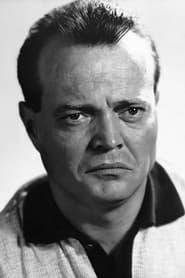 Luciano Pigozzi
Cesare Lazzarini
Luciano Pigozzi
Cesare Lazzarini
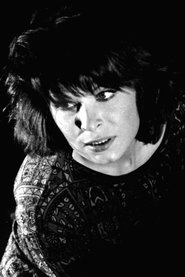 Lea Lander
Greta
Lea Lander
Greta
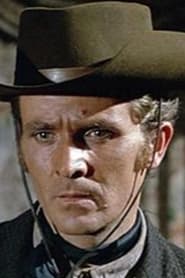 Massimo Righi
Marco
Massimo Righi
Marco
 Giuliano Raffaelli
Zanchin
Giuliano Raffaelli
Zanchin
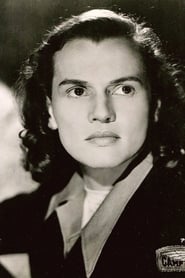 Harriet Medin
Clarissa
Harriet Medin
Clarissa
DEEP DIVE
TRIVIA
THEORIES
PLOT
- The original Italian title is Sei donne per l'assassino, literally Six Women for the Killer (sometimes rendered Six Women for the Murderer), which lays out the body count right in the marquee. The English-language release retitled it Blood and Black Lace.
- It was an Italian/French/West German co-production (Emmepi Cinematografica, Les Productions Georges de Beauregard, Monachia Film), with roughly 141.7 million lire spent on the production. It pulled only about 137 million lire at the Italian box office and underperformed after its March 14, 1964 Rome premiere, failing to crack the year's top 100 grossers.
- According to star Cameron Mitchell, Bava had no money for proper dolly gear, so he mounted the camera on a child's red wagon to glide those long tracking shots through the fashion house and rigged a makeshift seesaw, counterbalanced by crew members, for crane-style moves. Bava scholars note the wagon story is disputed (the heavy Mitchell cameras of the era), but it's Mitchell's own account.
- The original credits show the cast posed and lit like the mannequins scattered around the salon. For the US release, distributors Lawrence and Bernard Woolner hired Filmation to scrap that and cut a new title montage of mannequins and skulls, even slapping Americanized pseudonyms on the crew.
- It's routinely tagged as among the first true gialli, codifying the masked, black-gloved killer and the lurid set-piece murder roughly six years before Argento's 1970 The Bird with the Crystal Plumage turned the formula into a full-blown trend.
- Exteriors of the fashion house were shot at Rome's Villa Sciarra, with interiors at the Palazzo Brancaccio, the low-budget production leaning hard on real locations.
Collector's Corner
🛒 BUY NOW
As an Amazon Associate we earn from qualifying purchases.