
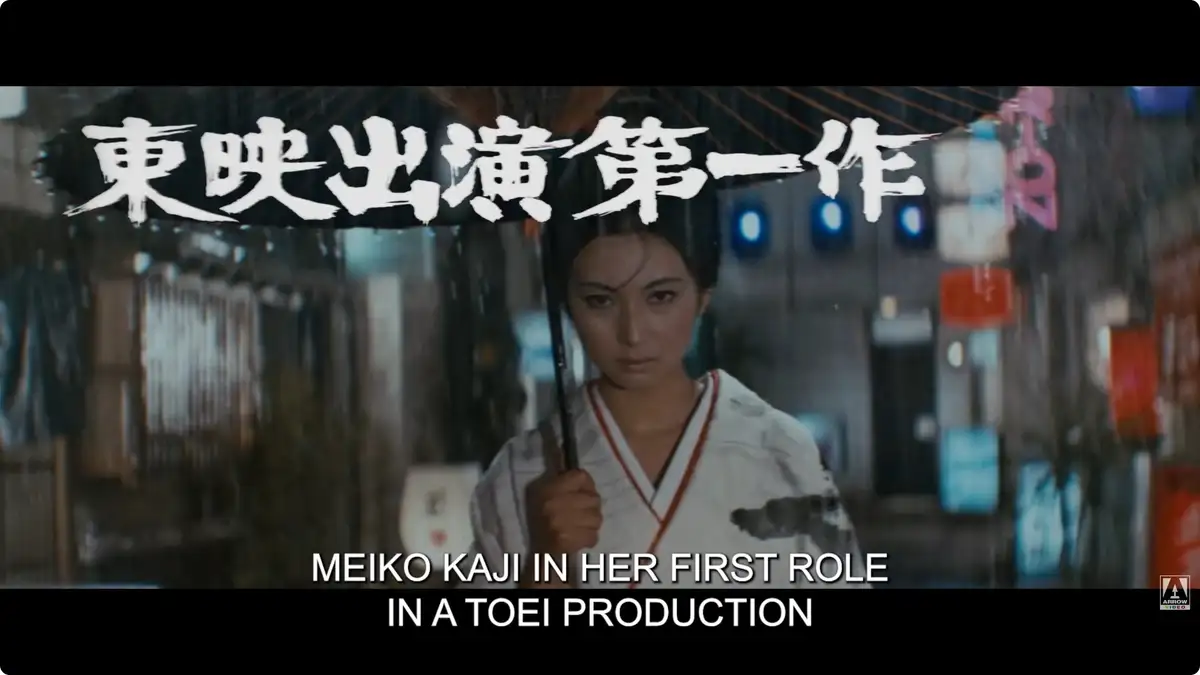

The streets of 1970s Japan were a hotbed of social upheaval, and Kazuhiko Yamaguchi's Wandering Ginza Butterfly is a visceral representation of that era's dark underbelly. This 1972 yakuza horror film is a prime example of the pink film genre, which pushed the boundaries of on-screen sex and violence. As a 30-year veteran of horror analysis, I can confidently say that Wandering Ginza Butterfly is a gritty, unsettling, and downright macabre exploration of the human condition.
Is It Scary?
The answer is a resounding yes. Yamaguchi's direction weaves a claustrophobic atmosphere, trapping the viewer in a world of crime and violence. The film's use of practical effects adds to the overall sense of dread, making each scene feel like a punch to the gut. As someone who's seen their fair share of horror films, I can appreciate the nihilistic tone that permeates Wandering Ginza Butterfly. It's a film that doesn't shy away from the harsh realities of life, and that's what makes it so unsettling.
What's the Historical Significance?
Wandering Ginza Butterfly represents a significant trend in Japanese horror and exploitation cinema of the 1970s. The film's blend of horror, crime, and social commentary influenced later horror and exploitation films, and its impact can still be felt today. As a fan of 80s splatter films, I can appreciate the roots of that genre in Yamaguchi's work. The use of squib mechanics and lighting rigs in Wandering Ginza Butterfly adds to the overall sense of visceral realism, making each scene feel like a raw, unflinching look at the world of organized crime.
Why Does It Matter?
The release of Wandering Ginza Butterfly on ARROW Video is a significant event for horror fans. It's a chance to experience a rare and obscure gem that showcases the unique blend of horror, crime, and social commentary that defined the pink film genre. As someone who's passionate about practical effects, I can appreciate the attention to detail that went into creating the film's visceral, dread-inducing atmosphere. Wandering Ginza Butterfly is a must-see for anyone interested in the history of horror cinema, and its influence can still be felt in contemporary Japanese horror and exploitation films.
Verdict
In a world where CGI dominates the horror landscape, Wandering Ginza Butterfly is a refreshing reminder that practical effects are still the way to go. The film's use of squib mechanics, lighting rigs, and atmospheric sound design creates a sense of tension that's hard to find in modern horror films. If you're a fan of gritty, unsettling horror, then Wandering Ginza Butterfly is a must-see. So, if you think you can handle the visceral, macabre world of 1970s Japan, then step into the world of Wandering Ginza Butterfly. But be warned: once you enter, there's no turning back.