CAST & CREW
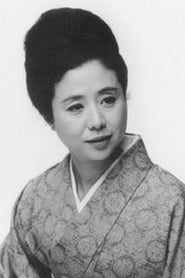 Nobuko Otowa
Woman
Nobuko Otowa
Woman
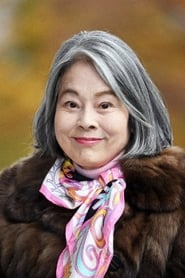 Jitsuko Yoshimura
Young Woman
Jitsuko Yoshimura
Young Woman
 Kei Satō
Hachi
Kei Satō
Hachi
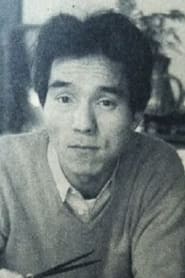 Jūkichi Uno
The Samurai
Jūkichi Uno
The Samurai
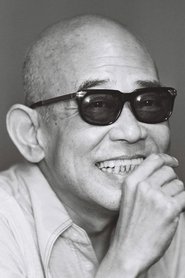 Taiji Tonoyama
Ushi
Taiji Tonoyama
Ushi
 Fudeko Tanaka
Old Woman
Fudeko Tanaka
Old Woman
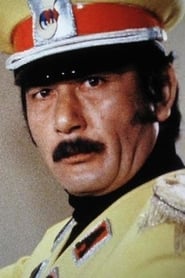 Hiroshi Tanaka
Horse Riding Samurai
Hiroshi Tanaka
Horse Riding Samurai
 Kanzō Uni
Horse Riding Samurai
Kanzō Uni
Horse Riding Samurai
DEEP DIVE
TRIVIA
THEORIES
PLOT
- Onibaba proved to be the biggest commercial and international success of director Kaneto Shindō's career, distributed domestically by Toho — a critical financial win for his struggling independent production company, Kindai Eiga Kyōkai.
- Shindō shot the film over three months starting June 30, 1964, in a real reed marsh at Inba Numa in Chiba Prefecture. Conditions were brutal enough that the crew lived on-site in prefab housing, and the pit the older woman drags bodies into had to be built above ground with scaffolding — any hole actually dug in the marsh immediately filled with water.
- The film was banned outright in the UK in 1965; a heavily cut version wasn't granted a BBFC X certificate until 1968, and an uncut version didn't reach British audiences until home video in 1994. The board's objection was to the film's frank sexuality, not its violence.
- The disfigured face revealed under the demon mask isn't a stock horror effect — Shindō, a Hiroshima native, based the makeup directly on photographs of hibakusha, survivors of the atomic bombings, turning the film's supernatural reveal into a direct reference to war trauma.
- Composer Hikaru Hayashi, a frequent Shindō collaborator, built the score around taiko drumming mixed with human screams and jazz-inflected percussion instead of a conventional orchestral arrangement, giving the film its unsettling, primal sound.
Collector's Corner
Special Features (Blu-ray)
- Kaneto Shindo - in this archival video interview, director Kaneto Shindo discusses the production of Onibaba as well as the evolution of his career in Japan. The interview was conducted for Criterion in 2003. In Japanese, with optional English subtitles. (22 min).
- Commentary - this audio commentary, which was recorded in 2001, features director Kaneto Shindo and actors Kei Sato and Jitsuko Yoshimura. The commentary initially appeared on Eureka Entertainment's DVD release of Onibaba. In Japanese, with optional English subtitles.
- Trailer - original Japanese trailer for Onibaba. In Japanese, with optional English subtitles. (3 min, 1080p).
- On-Set Footage - presented here is super-8mm black & white footage shot by actor Kei Sato (Hachi) during the filming of Onibaba in the summer of 1964. Without sound. (38 min).
- Booklet - an illustrated booklet featuring an essay by film critic Elena Lazic, a 2001 director's statement by Kaneto Shindo, and a version of the Buddhist fable that inspired the film.
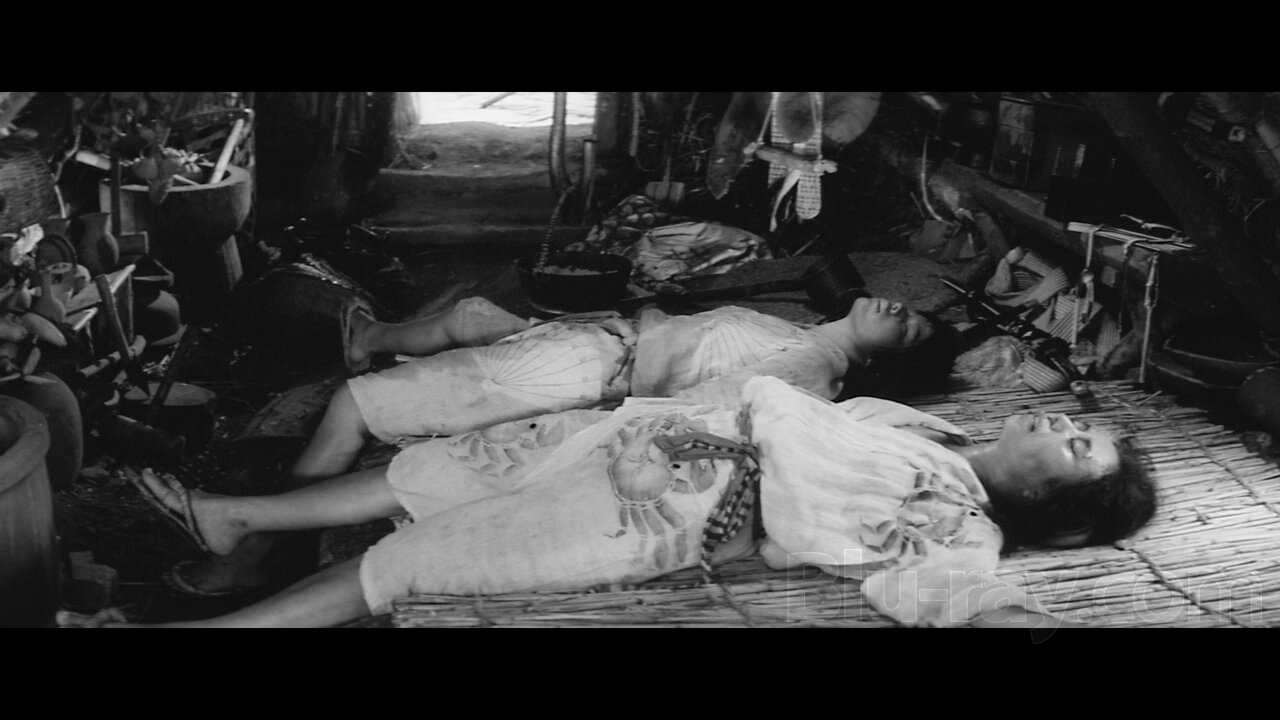
Blu-ray Screenshots
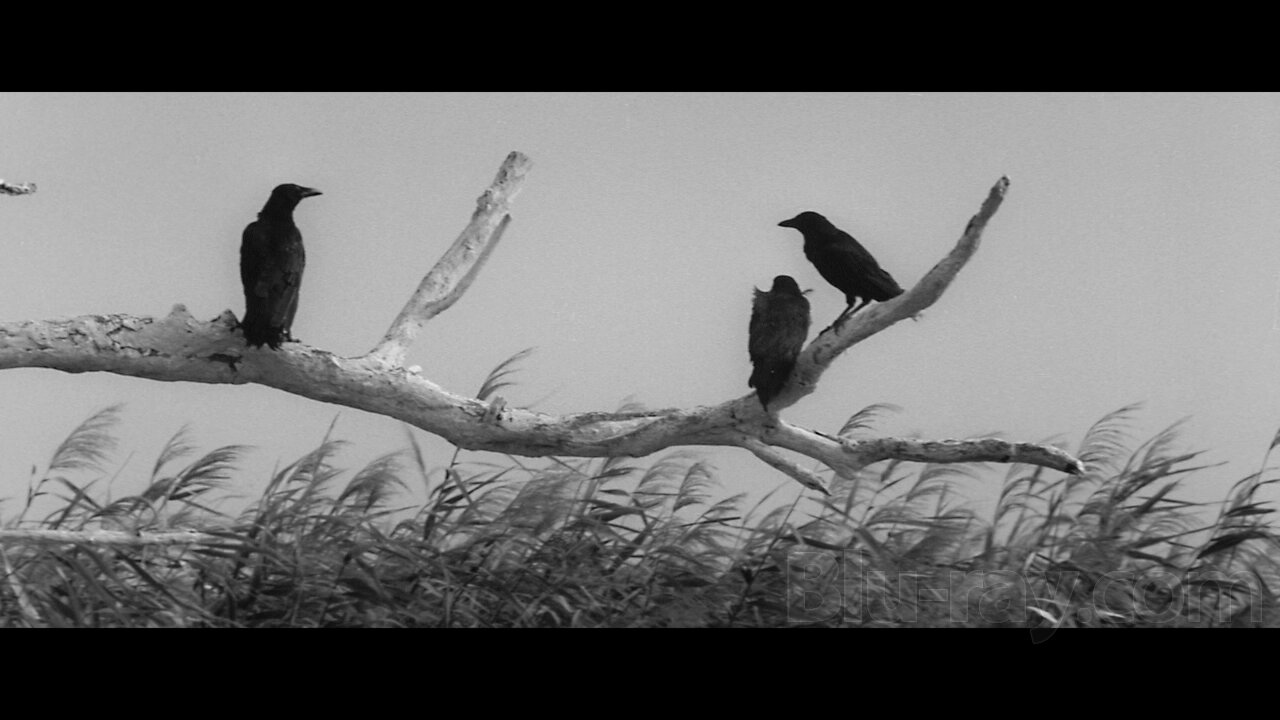
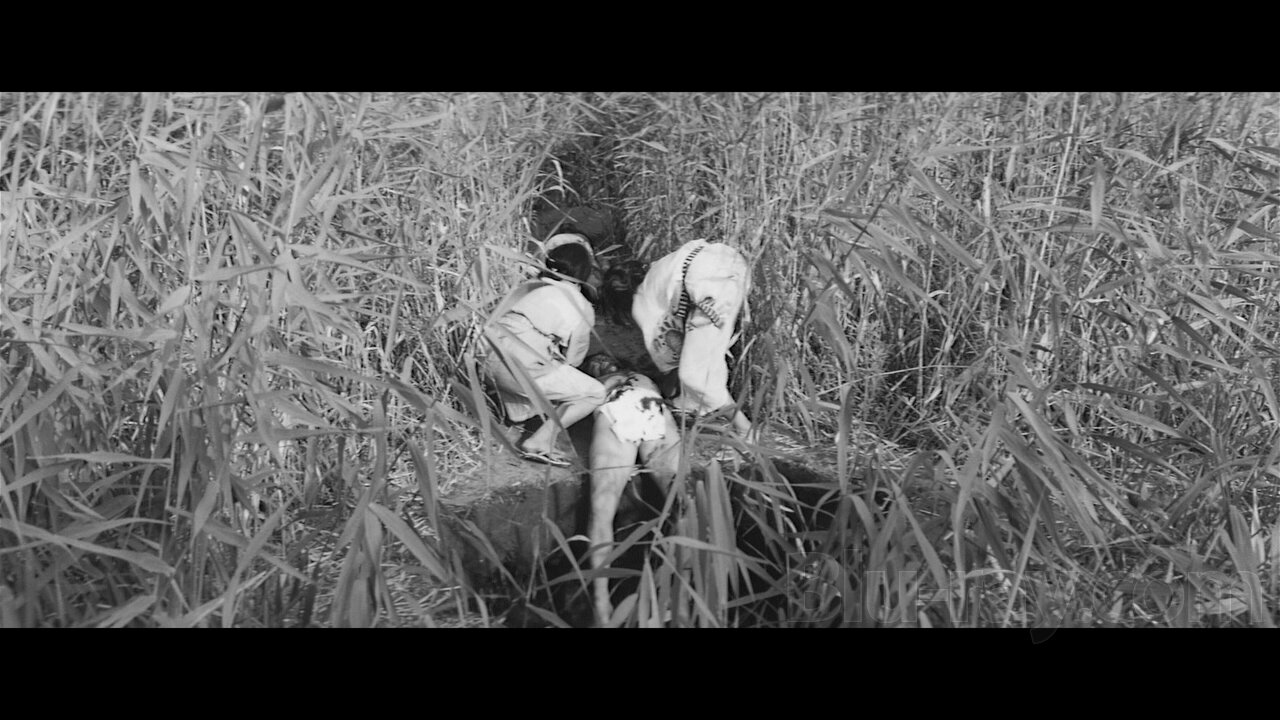
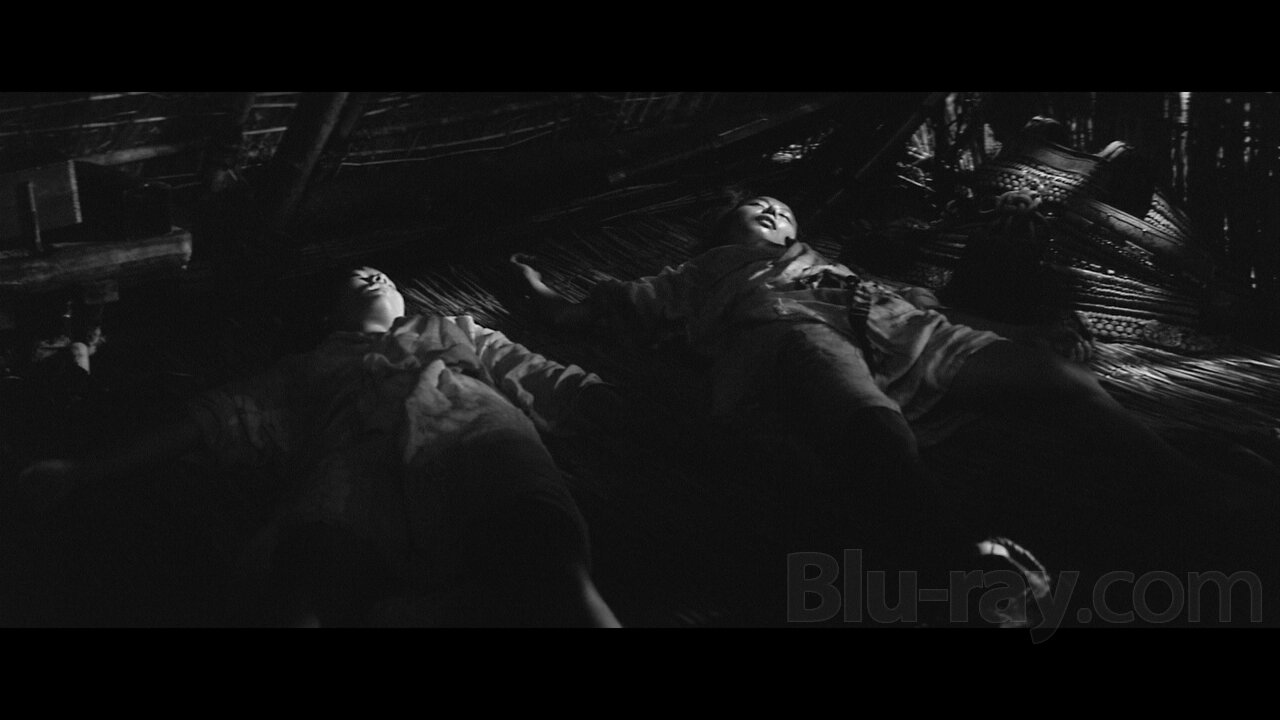
🛒 BUY NOW
As an Amazon Associate we earn from qualifying purchases.
Source: Blu-ray.com