CAST & CREW
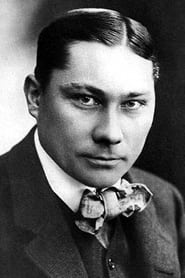 Paul Wegener
The Golem
Paul Wegener
The Golem
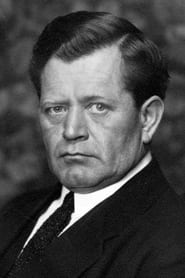 Albert Steinrück
Rabbi Loew
Albert Steinrück
Rabbi Loew
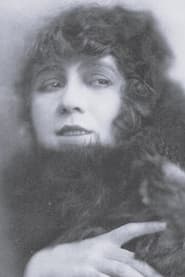 Lyda Salmonova
Miriam, the Rabbi's Daughter
Lyda Salmonova
Miriam, the Rabbi's Daughter
 Ernst Deutsch
Rabbi Famulus
Ernst Deutsch
Rabbi Famulus
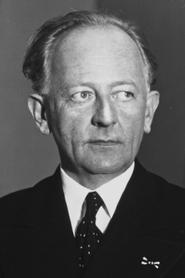 Otto Gebühr
Emperor
Otto Gebühr
Emperor
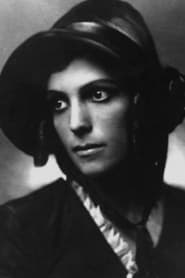 Greta Schröder
Young Woman with Rose
Greta Schröder
Young Woman with Rose
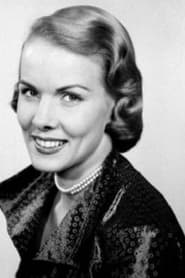 Loni Nest
Little Girl
Loni Nest
Little Girl
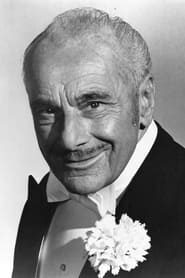 Fritz Feld
Jester (uncredited)
Fritz Feld
Jester (uncredited)
DEEP DIVE
TRIVIA
THEORIES
PLOT
- Paul Wegener played the Golem across all three films in the informal trilogy he helped create: 1915's The Golem (now partially lost), 1917's The Golem and the Dancing Girl (a lost comedy in which Wegener plays himself pranking a film crew by dressing as the creature), and this 1920 film, which acts as a prequel to the 1915 story rather than a remake of either earlier entry.
- The film's expressionist production design, especially the distorted ghetto sets and Rabbi Loew's angular house, was created by architect Hans Poelzig, who drew on his background in monumental industrial design to render Prague as a living, oppressive geometry; his wife, sculptor Marlene Moeschke, executed the interiors, props, and costumes.
- Cinematographer Karl Freund shot the film, later photographed Metropolis (1927) and Dracula (1931), and directed Universal's The Mummy (1932) — carrying the same shadow-heavy visual language into the Universal monster cycle of the 1930s.
- The Golem's deactivation echoes the traditional golem legend, in which the creature is stopped by removing the Hebrew word for 'truth' from its body; the film renders this as a Star of David amulet on the creature's chest, pulled off by a child at the story's end.
- The film was shot in spring 1920 at Tempelhof Studios in Berlin, on both the open-air lot and the indoor stages, for producer Projektions-AG Union (PAGU).
- Despite its canonical status in German Expressionism, the film has drawn sustained scholarly debate over its depiction of Judaism and Jewish characters — some critics read Wegener's intentions as sympathetic, others argue the film's linkage of Jewish mysticism to black magic reinforces antisemitic stereotypes common in Weimar-era cinema.
Collector's Corner
🛒 BUY NOW
As an Amazon Associate we earn from qualifying purchases.