Jennifer’s Body (2009) Was Buried Alive—Now It’s Rising from the Grave
ScreamDesk Staff
•February 21, 2026•7 min read
🎬 Watch the Trailer
Jennifer’s Body (2009) Was Buried Alive—Now It’s Rising from the
Grave
When Jennifer’s Body (2009) premiered seventeen Septembers ago, it was
interred beneath a tombstone of studio mismanagement, a massacre of marketing misfires, and a cultural
moment that mistook female rage for a punchline. The film—written by Diablo Cody, fresh from her 2008
Oscar win for Juno, and directed by Karyn Kusama, who had just emerged
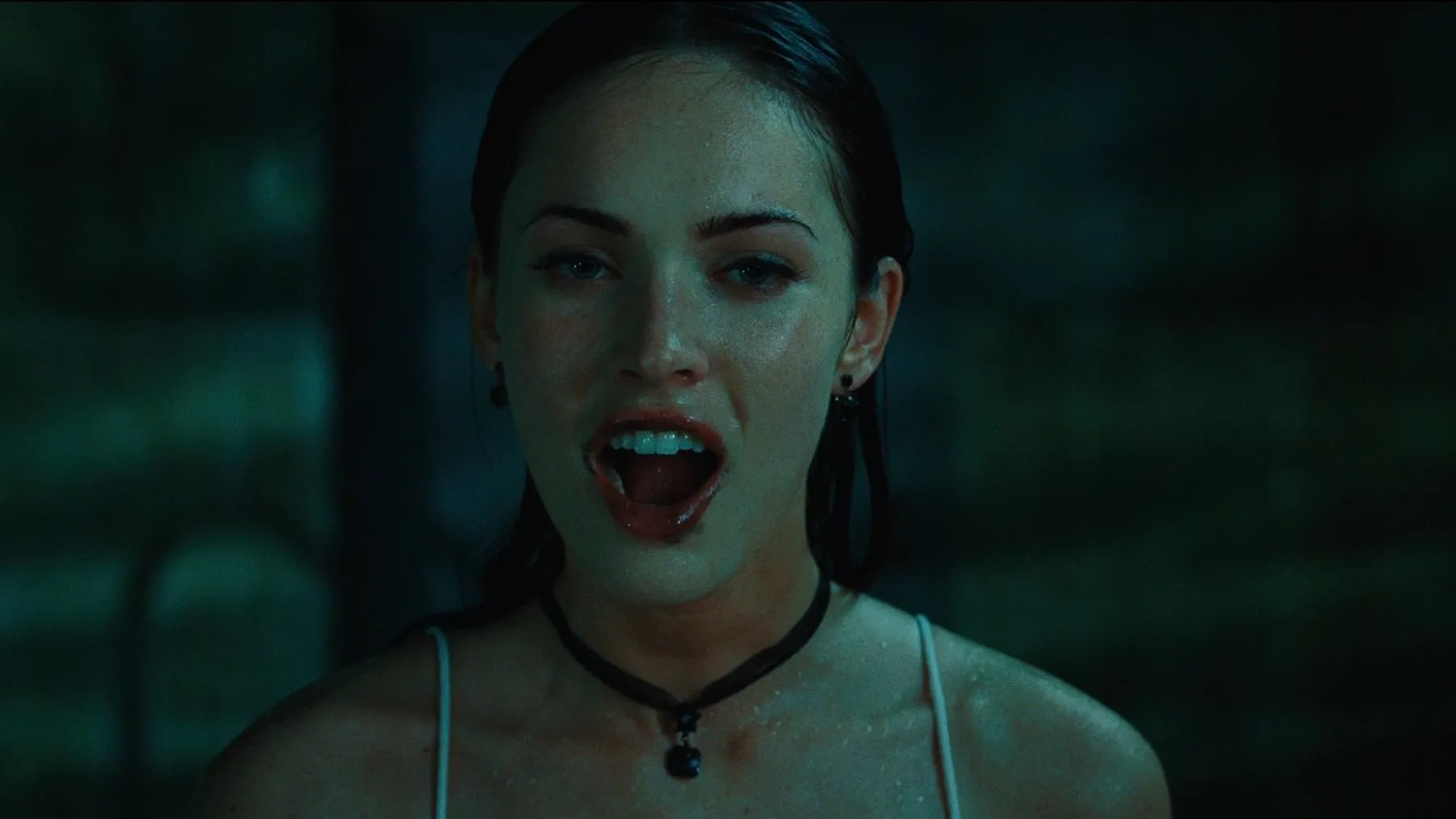
from the indie trenches with Girlfight (2000)—was sold as a lurid Megan
Fox vehicle, with its trailer promising a carnival barker’s mix of wet tank tops and demonic seduction.
However, what audiences got instead was a razor-sharp dissection of adolescent hunger, both literal and
existential: a succubus narrative masquerading as a slasher, a coming-of-age horror where the monster
isn’t the villain, but the system that failed her. The film flopped at the box office. Then, like all
great horror relics, it refused to stay dead. Now, in March 2026, the film migrates once more—this time
to Starz, where its cult following, grown ravenous over a decade and a half of Tumblr resurrection
parties and Twitter exorcisms, will have another chance to consecrate it. And this time, the buzz isn’t
just about rewatches; it’s about a sequel. The question isn’t if the genre will exhume
Jennifer’s Body—it’s whether Hollywood has finally learned how to bury
its own mistakes without killing the thing it fears.
The False Start: A Film Misdiagnosed as a Flop
The original release strategy reads like a case study in self-sabotage. 20th Century Fox, spooked by the
then-untested pairing of Cody’s acerbic dialogue and Kusama’s unflinching gaze, panicked mid-production.
Test screenings—conducted with audiences primed for Twilight (2008) brooding, not
Heathers (1989) body counts—produced feedback so off-base that the studio mandated last-minute
reshoots. The result was a trailer that framed the film as a gory romp, its tagline (“Hell is a teenage
girl”) reduced to a punchline rather than a manifesto. Even the release date—September 18, 2009—was a
minefield, sandwiched between The Informant! and Cloudy with
a Chance of Meatballs, as if Fox had confused its own slate for a comedy
block. Critics, too, misread the autopsy. Roger Ebert, in a review that now reads like a time capsule of
genre myopia, dismissed it as “a film that tries to be Juno meets Carrie but ends up
merely blood-spattered.” What Ebert—and many others—missed was that Jennifer’s
Body wasn’t trying to be anything; it was a film in full possession of its
own voice, one that spoke in the cadence of sleepover confessions and locker-room betrayals. Its terror
wasn’t in the gore (though Kusama stages the kills with surgical precision, from the diner massacre to
the bonfire immolation) but in the slow unraveling of female friendship, a theme so taboo it’s still
rarely explored in horror. The box office reflected the confusion: a tepid $2.8 million opening weekend,
a domestic total of just $16.2 million against a $16 million budget. However, the numbers only tell half
the story. The other half is the film’s afterlife, which began almost immediately in dorm rooms and
late-night cable marathons, where a generation of queer and female viewers saw in Jennifer Check (Fox)
and Needy Lesnicky (Amanda Seyfried) something far rarer than a monster: a mirror.
The Cult That Wouldn’t Die: Why Jennifer’s Body Haunts Us Still
To understand the film’s resurrection, you have to understand its genealogy. It arrived at a moment when
horror was in the throes of a post-Saw (2004) glut, a time when torture porn and found-footage
gimmicks dominated the multiplex. Jennifer’s Body, by contrast, was an
anomaly—a horror-comedy with a feminist spine, one that refused to let its female leads be reduced to
victims or vixens. Jennifer isn’t just a demon; she’s a girl whose body was commodified by men (the
indie band Low Shoulder, led by Adam Brody’s smarmy frontman Nikolai) and then weaponized by her own
survival instincts. Needy, her best friend, isn’t a final girl in the traditional sense; she’s a
survivor whose trauma is treated with the same gravity as the supernatural elements. This duality—of
monstrosity and humanity, of desire and destruction—resonated in ways the studio never anticipated. The
film became a touchstone for discussions about female agency, queer coding, and the ways horror often
pathologizes (or sexualizes) adolescent pain. Online, it flourished: Tumblr blogs in the 2010s reblogged
GIFs of Jennifer’s manic laughter and Needy’s quiet devastation; feminist film theorists dissected its
subtext in essays that circulated like samizdat. By 2015, its reputation had morphed from “failed Fox
project” to “cult classic,” a status solidified when outlets like The A.V. Club and
Birth.Movies.Death began running retrospectives with titles like “The Horror Movie That Got It
Right About Teen Girls.” What’s fascinating is how little the film’s themes have dated, and how much
they continue to resonate with contemporary audiences.

 ScreamDesk Staff