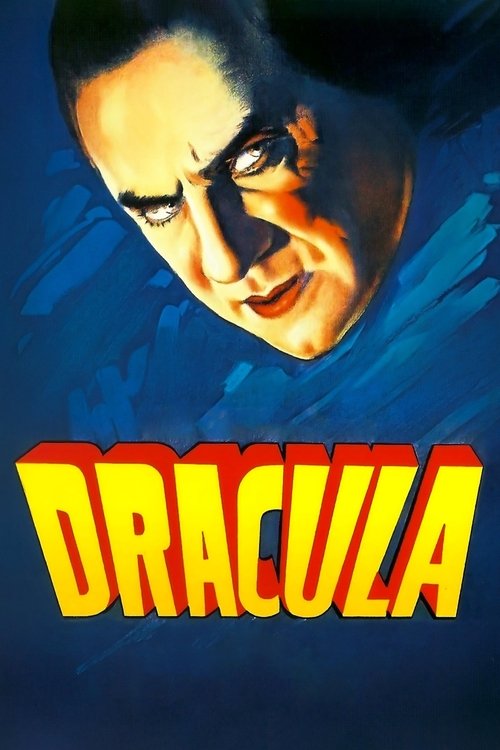
Dracula (1931)
VampireBela Lugosi's measured menace gave the Count a screen voice and helped turn Universal's gamble into a horror boom.
ScreamDesk essential pick
Before horror had rules, these films built the laboratory. Start with Dracula and Frankenstein, then follow the trail into circus revenge, walking corpses, Mexican monasteries, and nightmares that refuse to explain themselves.
Sound did more than let Dracula speak. It gave laboratories a hum, castles a dead silence, and monsters voices that could plead, threaten, or crack under pressure. Universal's 1931 double strike of Dracula and Frankenstein created the monster cycle, but the decade was never one studio's private crypt.
Freaks turned sympathy against the supposedly beautiful. Vampyr moved like a half-remembered dream. White Zombie brought the zombie to feature films, while Mexico's Dos Monjes and El Fantasma del Convento found their own haunted architecture. These picks cover the foundations and the trapdoors.
— Switchblade Samira, Senior Editor
Watch Frankenstein, The Mummy, The Invisible Man, and Bride of Frankenstein to see the studio monster machine learn its tricks.
Take Freaks, Vampyr, The Black Cat, and Mad Love when familiar Gothic comfort sounds too safe.
Pair Europe's Vampyr with Mexico's Dos Monjes and El Fantasma del Convento for three different ways to lose the floor beneath you.
1931–1932 · Icons, outcasts, and the first walking dead
Bela Lugosi's measured menace gave the Count a screen voice and helped turn Universal's gamble into a horror boom.
ScreamDesk essential pick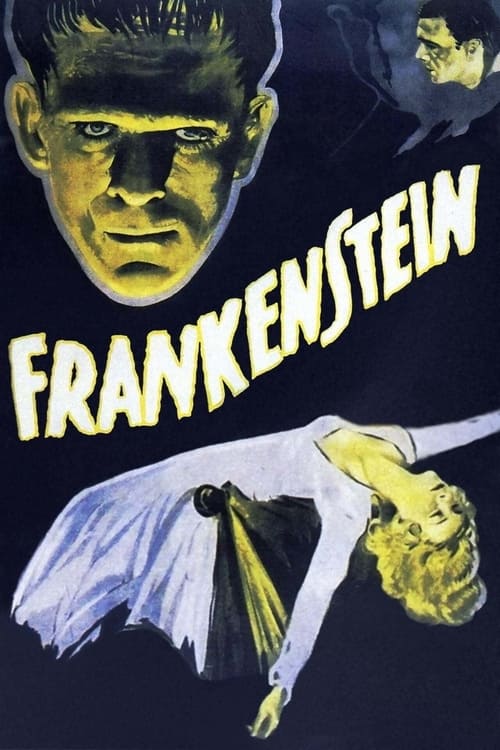
James Whale gives the laboratory spectacle speed and grief; Boris Karloff makes the creature frightening because he is wounded first.
Best first watch
Rouben Mamoulian's prowling camera and Fredric March's split performance make repression look less like a cage than an invitation.
Pre-Code pressure cooker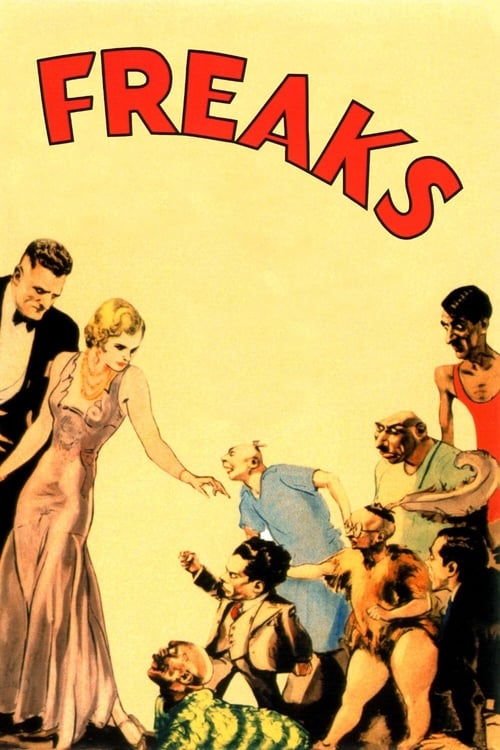
Tod Browning lets a sideshow community define its own loyalty, then turns a cruel betrayal into rain-soaked revenge.
Most confrontational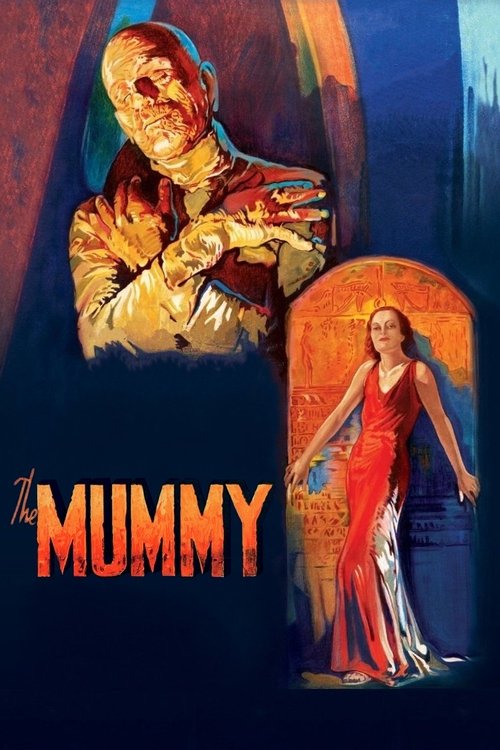
Karloff barely needs bandages. His Imhotep is an old obsession wearing a human face and waiting for history to repeat.
Slow-burn monster pick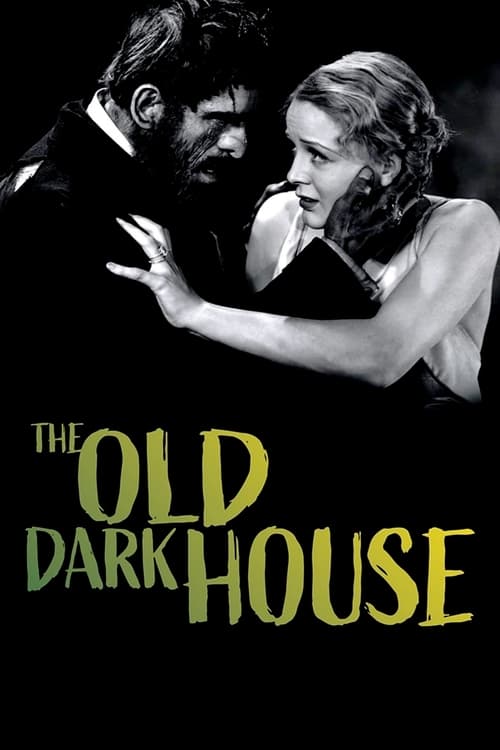
A storm, stranded travelers, and one spectacularly hostile family: James Whale builds the haunted-house kit while mocking every piece.
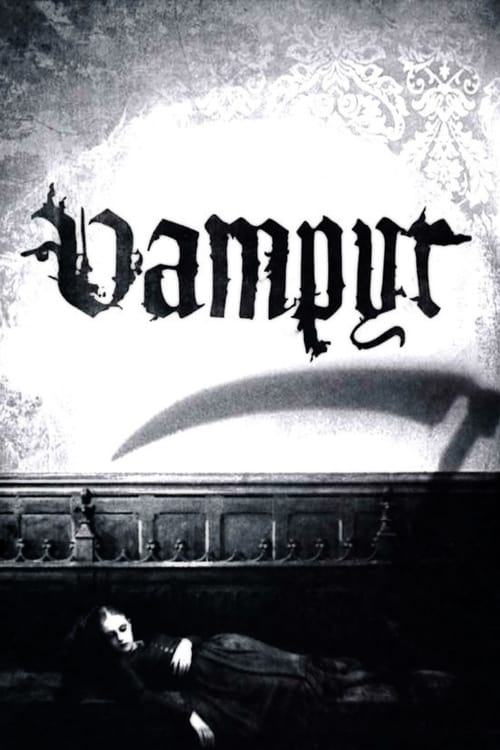
Shadows detach from bodies and a coffin becomes a point-of-view shot. Dreyer makes waking up feel like the least reliable option.
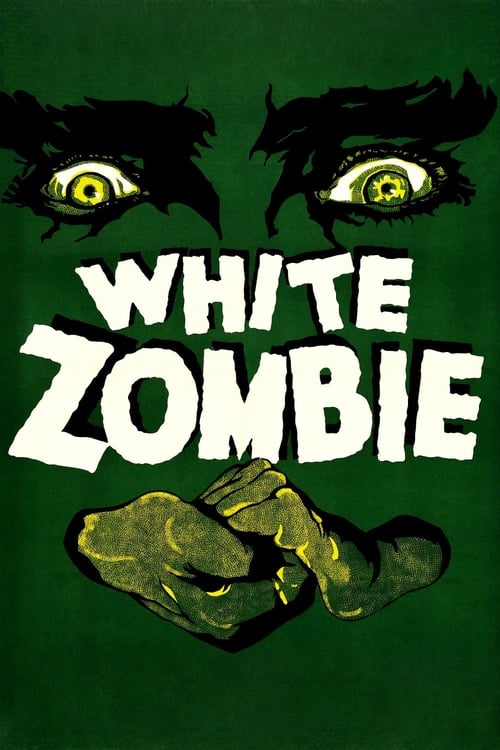
The first feature-length zombie movie is a grim machine of enslavement, sugar-mill gears, and Lugosi's unforgettable stare.
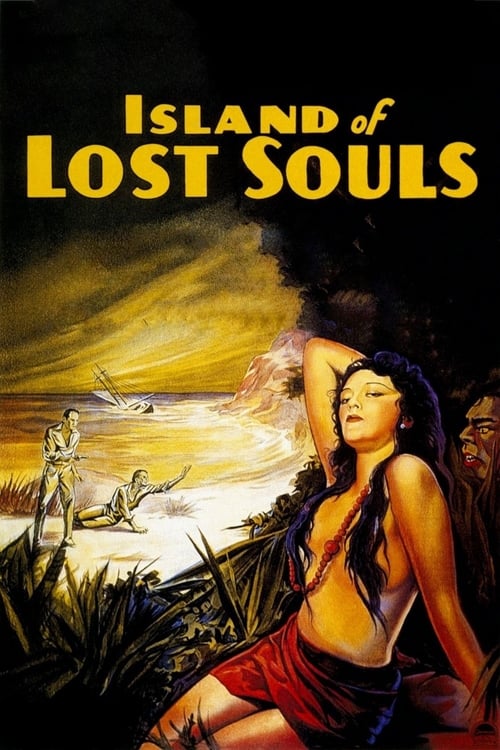
Charles Laughton's Dr. Moreau turns an island into a laboratory state, and every rule he chants only exposes his fear of revolt.
Cruelest mad scientist1933–1935 · Spectacle, Satanists, monasteries, and severed hands
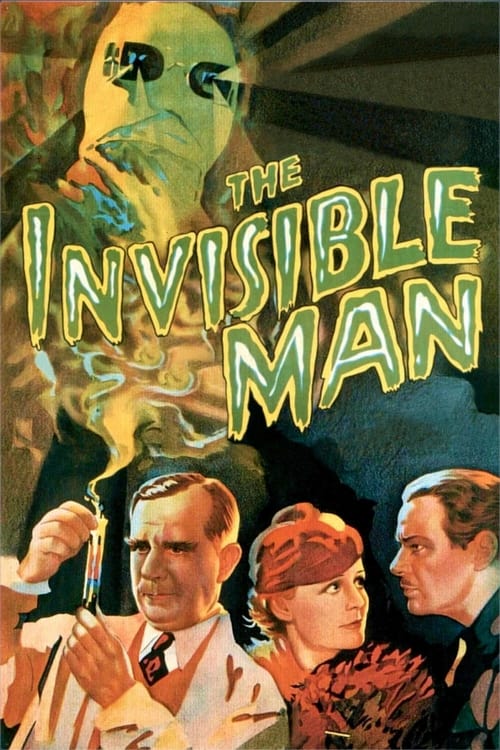
Claude Rains enters as a voice, bandages, and unchecked ego. The effects sell the trick; his escalating glee supplies the danger.
Sharpest black comedy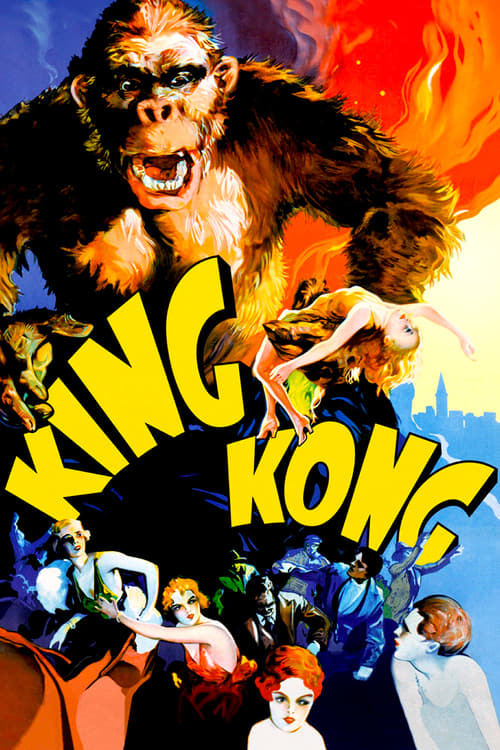
Willis O'Brien's stop-motion giant carries wonder, violence, and heartbreak from Skull Island to the Empire State Building.
Biggest spectacle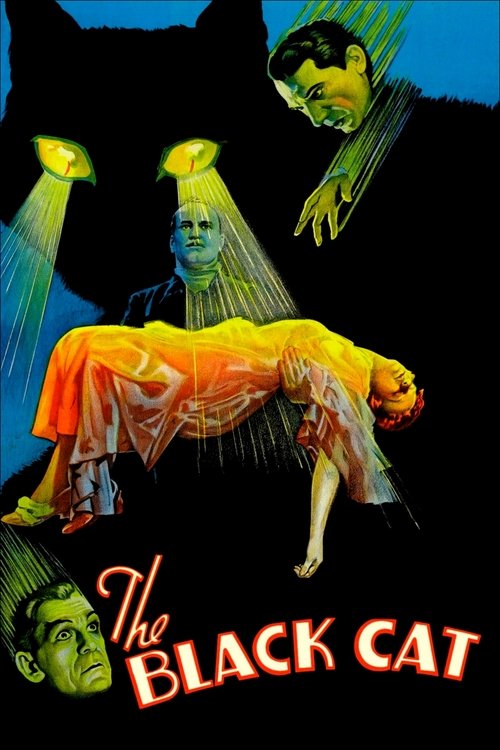
Karloff and Lugosi finally meet inside an Art Deco tomb full of wartime grudges, preserved bodies, and a Satanic ceremony.
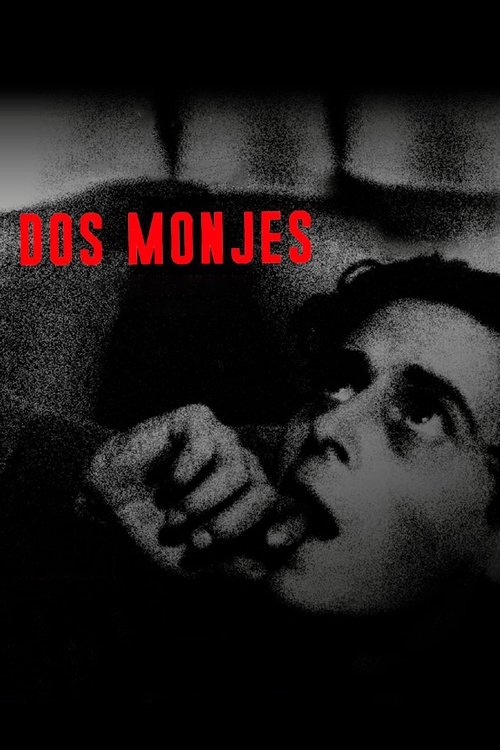
Two monks recount the same romantic disaster from opposing sides, and the bent sets make both memories look feverish.

Three travelers enter a monastery where desire and damnation share the corridors. The location does half the haunting.
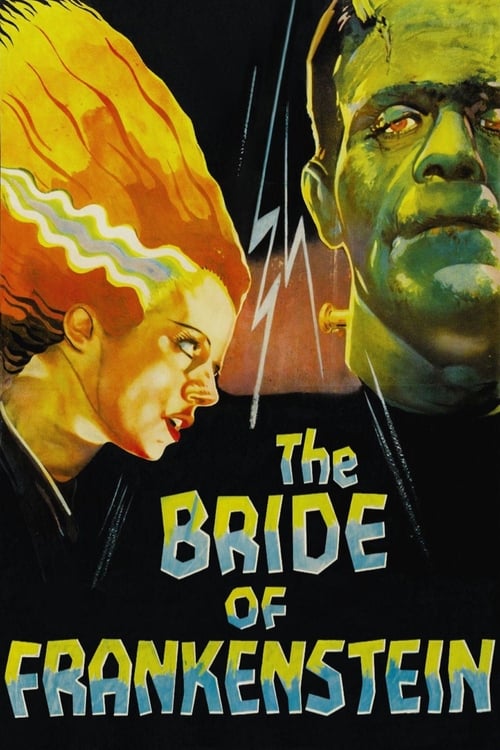
Whale's sequel is sadder, funnier, and more openly rebellious. The Bride needs only minutes to become the decade's electric icon.
ScreamDesk's top pick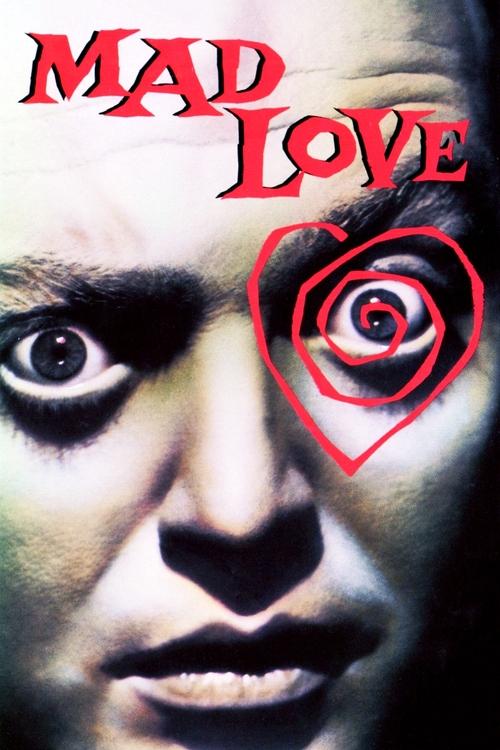
Peter Lorre's surgeon grafts a killer's hands onto a pianist, then treats obsession as if it were a medical credential.
1936–1939 · Daughters, dolls, and one revived monster
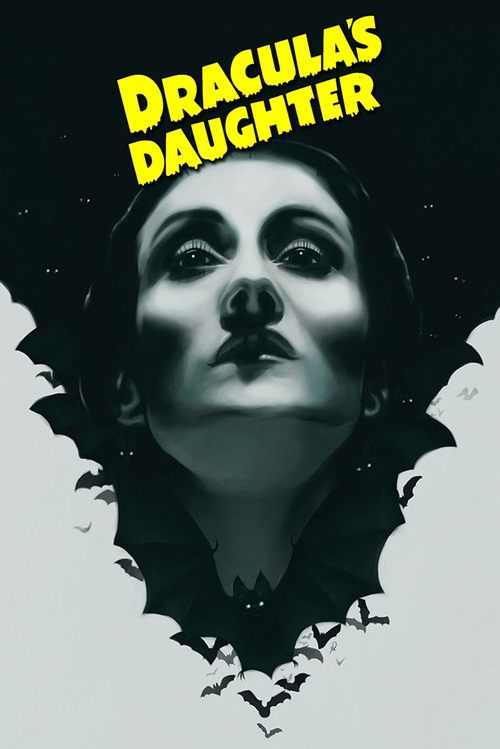
Countess Zaleska wants release from vampirism, but desire and predation keep collapsing into the same shadow.
Most haunted performance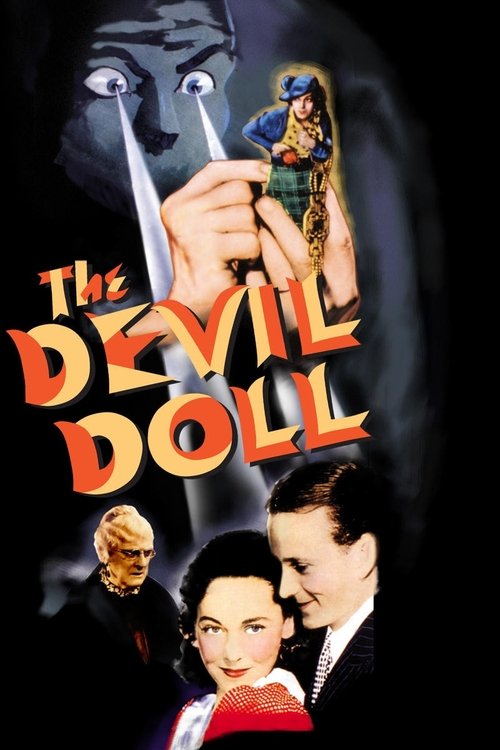
Tod Browning gives an escaped convict miniature human weapons and a disguise as an old woman. The effects remain delightfully mean.
Wildest revenge plot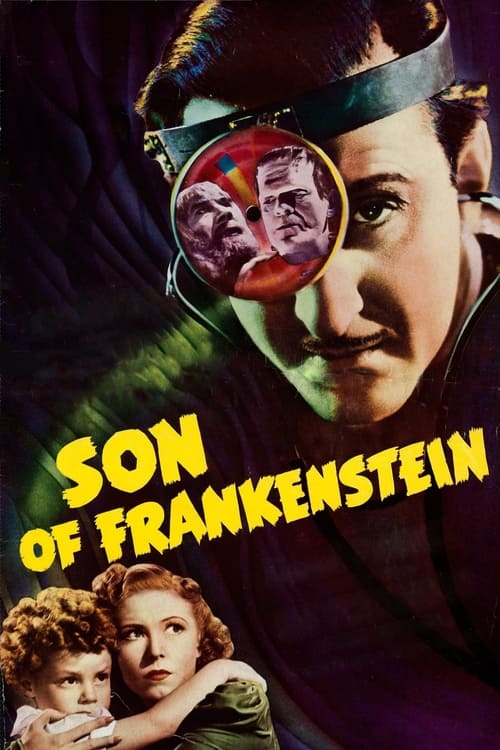
Karloff's final turn as the creature gives Bela Lugosi's broken-necked Ygor the controls and a list of old enemies.
Best late-cycle entryDracula, Frankenstein, Freaks, The Mummy, King Kong, The Invisible Man, and Bride of Frankenstein are the major starting points. This guide also makes room for less obvious films that pushed horror beyond the monster cycle.
Start with Frankenstein for the studio monsters, Vampyr for dream horror, or The Old Dark House for Gothic mystery with a wicked sense of humor. Our top overall pick is Bride of Frankenstein.
No. Carl Theodor Dreyer made Vampyr in Europe, while Dos Monjes and El Fantasma del Convento helped establish Mexico's early sound-horror tradition. The decade's nightmares crossed borders quickly.
How we chose: historical significance, craft, influence, and how well each film still plays. Film identities and release years were checked against TMDB; historical context was checked against the British Film Institute and the Library of Congress National Film Registry. Streaming availability changes; use ScreamDesk's dated Watch pages for current provider snapshots.
Get horror news, Vault updates, and curated watch lists in your inbox.
Join the ScreamDesk list →